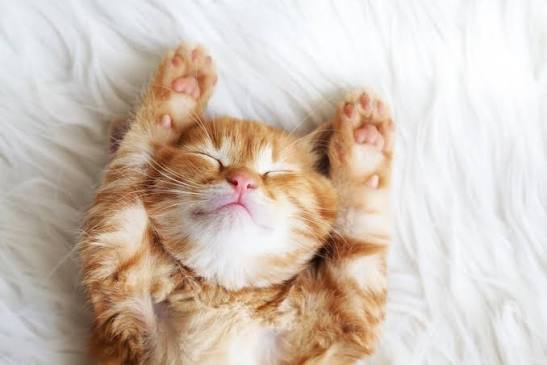

Cats sleep between 12 and 16 hours a day.
That’s not laziness — that’s biology. As natural hunters, cats conserve energy between bursts of activity. But here’s what most people don’t realize: how your cat sleeps tells you a lot more than just “they’re tired.”
Every position your cat curls into, sprawls across, or contorts themselves into is a message. About how safe they feel. About how much they trust you. About whether something might be quietly off with their health.
Once you know how to read these positions, you’ll look at your sleeping cat completely differently.
Why Cat Sleeping Positions Actually Matter
Before we dive in — a quick note on why this topic is worth paying attention to.
Cats are masters at hiding discomfort. In the wild, showing weakness attracts predators. So domestic cats carry this same instinct indoors. They will hide pain, mask illness, and go about their day looking perfectly fine — even when they’re not.
But sleep? Sleep is unguarded. The position a cat naturally defaults to when they relax tells you things their waking behavior won’t.
Sudden changes in how your cat sleeps — especially alongside changes in appetite or litter box habits — are often the earliest signals that something needs attention.
Now let’s get into the positions.
8 Cat Sleeping Positions and What They Mean
1. Curled Into a Ball — The Classic
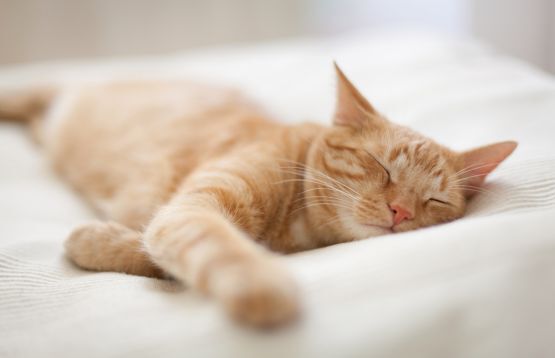
What it looks like: Your cat is a perfect circle. Nose tucked near chest or tail. Paws folded in. Tail wrapped around like a fuzzy blanket.
What it means: This is an ancient survival position. Curling tight protects the belly — the most vulnerable part of any animal’s body — and conserves body heat. It’s comfortable and instinctive, not a sign of anxiety.
Most cats default to this position for quick naps or when the room feels slightly cool.
When to pay attention: If your cat curls tightly constantly — even in a warm room — it could indicate they feel cold more than usual. In senior cats, this can sometimes point to thyroid issues or early illness.
2. Belly Up, Legs Everywhere — The Trust Fall
What it looks like: Full back on the floor. Exposed belly. Paws flopped in random directions like they fell asleep mid-stretch.
What it means: This is your cat’s highest possible trust rating. The belly contains every vital organ. No animal exposes it unless they feel completely, utterly safe.
If your cat sleeps belly-up in your home — congratulations. You’ve created an environment where they feel zero threat from anything.
One important note: Belly-up is not an invitation for a belly rub. Many cats will swat you if you touch them in this position. The exposure is a posture of peace — not an offer.
3. The Loaf — Comfortable but Watching
What it looks like: Sitting upright. Paws tucked neatly under the chest. Eyes half-closed. Looks like a furry, unimpressed bread loaf.
What it means: Your cat is resting but not fully asleep. They’re in a light doze — aware of sounds and movement, ready to respond in seconds. It’s the “I’m tired but not off duty” position.
When to pay attention: A hunched loaf — where the head droops low and the back is rounded — is different. That posture often signals abdominal discomfort or nausea. If your cat holds it for hours and seems withdrawn, see your vet.
4. On Their Side, Legs Stretched Out — Deep Sleep Mode
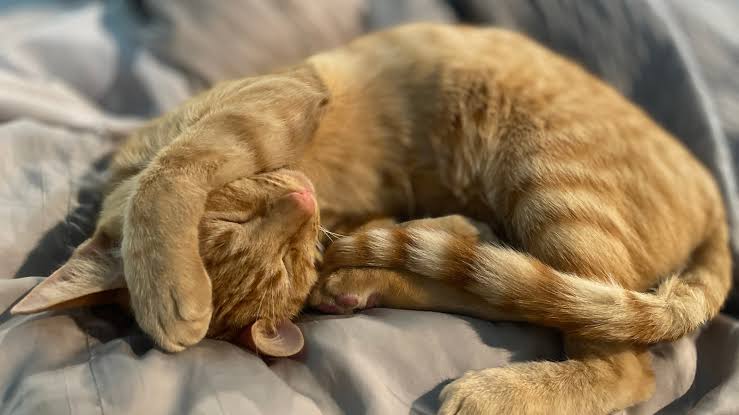
What it looks like: Lying fully on one side, legs extended, sometimes twitching or making tiny running movements.
What it means: This is your cat in deep REM sleep — the kind where dreams happen. Whisker twitches, paw flicks, and small sounds are all normal here.
A cat that regularly sleeps stretched on their side is a content, well-adjusted cat with no significant stress in their environment.
5. Paws Over the Face — Do Not Disturb
What it looks like: One or both paws draped directly over the eyes or nose.
What it means: Light is bothering them. They want darkness and quiet. This is the feline version of pulling a pillow over your head on a Sunday morning.
Translation: “I am trying to sleep. Please leave me alone. This is not a request.”
6. The Contortionist — Zero Worries Whatsoever
What it looks like: Limbs twisted in directions that seem anatomically impossible. Hanging off the couch. Legs going one way, head going another.
What it means: Pure, unbothered comfort. A cat that sleeps like this has absolutely no anxiety about their safety. They’ve completely surrendered to sleep in whatever position their body landed in.
It’s one of the best signs that a cat is genuinely thriving in their home.
7. Pressed Against You — You Are the Safe Place
What it looks like: Your cat sleeps touching you — against your legs, on your chest, or on your pillow right next to your face.
What it means: Warmth is part of it. But body contact while sleeping goes beyond temperature. In the wild, cats only sleep pressed against cats they completely trust.
When your cat chooses to sleep touching you, they’re treating you like family. The closer to your face they sleep, the more they value your specific scent and presence.
8. Hidden Away — Sometimes Normal, Sometimes Not
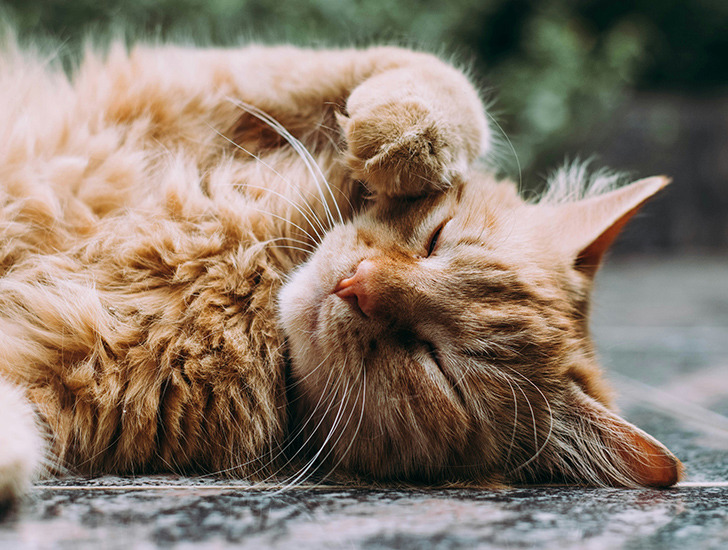
What it looks like: Your cat has disappeared into a closet, under the bed, or into a small dark space.
What it means: Cats love enclosed spaces — they feel protected when surrounded on multiple sides. A quiet hiding nap is completely normal.
When to pay attention: A sudden shift to hiding — especially in a previously social cat — is a red flag. Sick cats hide. Cats in pain hide. If the hiding comes with reduced appetite or unusual stillness, call your vet.
What Sleeping Location Tells You
Beyond position, where your cat sleeps adds more to the story.
| Location | What It Suggests |
|---|---|
| High surfaces (shelves, cabinets) | Needs elevation — possibly some environmental insecurity |
| Same room as you, not touching | Comfortable with your presence, independent |
| Always directly on you | Strong bond, high attachment |
| Always alone in another room | Independent, or stressed by household activity |
| Sunny window spots | Happy, warm, curious cat |
| Suddenly under the bed for days | Possible illness, pain, or stress — investigate |
When to Actually Worry
Most sleeping positions are just positions. But watch for these changes:
- Sudden hiding in a previously social cat
- Hunched, tense loaf posture lasting for hours
- Sleeping far more than usual with reduced appetite
- Reluctance to jump to usual sleeping spots — possible joint pain
- Sleeping near the water bowl — can indicate kidney issues or fever
- Violent twitching that looks more intense than normal dream movements
The key word is sudden. Gradual changes with age are normal. Sudden behavioral shifts are worth a phone call to your vet.
Cat Sleeping Positions — Quick Reference
| Position | Mood | Trust Level |
|---|---|---|
| Curled ball | Cozy, slightly guarded | Medium |
| Belly up | Completely relaxed | Maximum |
| Loaf | Alert rest | Medium |
| On side, stretched | Deep sleep, content | High |
| Paws over face | Wants privacy | Medium |
| Contortionist | Zero anxiety | Maximum |
| Pressed against you | Bonded, loving | Very High |
| Hiding | Normal OR stressed | Needs context |
FAQs — Cat Sleeping Positions
Why does my cat sleep on my head?
Your head gives off the most body heat and carries your strongest scent. Cats that sleep near your face are deeply bonded and find your scent specifically comforting. It’s a compliment — even if it makes breathing slightly difficult.
My cat always sleeps curled tight. Is something wrong?
Not necessarily. Many cats simply prefer this position naturally. It’s only a concern if it’s a new pattern replacing previously open, relaxed sleeping — especially if other behavior changes accompany it.
Do cat sleeping positions change with age?
Yes. Senior cats often sleep more, in warmer spots, and in positions easier on their joints. If your older cat seems to struggle getting comfortable or avoids jumping to their usual spots, talk to your vet about pain management.
Why does my cat twitch in their sleep?
Cats dream. Twitching, whisker flicks, and tiny vocalizations during deep sleep are signs of REM activity. It’s completely normal and typically a sign of a healthy, well-rested cat.
Is it okay that my cat sleeps on me every night?
Absolutely — as long as you’re comfortable with it. It means deep trust and attachment. If it disrupts your sleep, try placing a comfortable bed right next to yours as an alternative.
Final Words
Your cat’s sleeping position is a small window into something bigger — how safe they feel, how much they trust their environment, and whether something might need your attention.
Most of the time, a sleeping cat is just a sleeping cat. Content, comfortable, and completely unbothered by the world.
But now you know what to look for when that changes.
And next time your cat sprawls belly-up in the middle of the floor like they own the place?
They kind of do. 🐱