

You glance over at your dog and something looks off.
They’re trembling. Not dramatically — just a quiet, steady shake that you almost missed. Or maybe it’s intense enough that you immediately put your phone down and walk over.
Either way, the question hits you fast: is this serious?
The honest answer is — it depends. Dog shaking can mean a dozen different things, ranging from “completely harmless” to “get to a vet right now.” The key is knowing which is which, and that’s exactly what this guide is for.
The First Thing to Ask Yourself
Before jumping to conclusions, think about what was happening just before your dog started shaking.
Were they just outside in cold weather? Did someone knock on the door? Did they eat something unusual? Are they sitting by the window during a thunderstorm?
Context is everything with dog shaking. The same outward symptom can have a completely different cause depending on what’s going on around your dog. Let’s go through them one by one.
Reasons Dogs Shake That Are Completely Normal
They’re Cold

This one is obvious but often overlooked. Dogs shiver for the same reason humans do — their body is generating heat through muscle movement.
Small breeds, puppies, senior dogs, and short-haired dogs like Greyhounds and Chihuahuas are especially vulnerable to cold. If your dog has been outside, is sitting on a cold floor, or the air conditioning is blasting — cold is likely the culprit.
The fix is simple: a warm blanket, a cozy spot, and a little body heat from you if they want it.
They’re Excited
Some dogs shake when they’re happy. When you grab the leash, when guests arrive, when you open the treat cabinet — the anticipation becomes physical. Their whole body trembles with excitement they can’t contain.
This kind of shaking looks different from fear or illness. The dog’s eyes are bright, their tail is going wild, and they’re moving around rather than standing still. If your dog shakes when they’re clearly thrilled about something — that’s just who they are.
They’re Anxious or Scared
Fear is one of the most common causes of trembling in dogs. The triggers are different for every dog, but the usual suspects are:
- Thunderstorms and lightning
- Fireworks
- Vet visits
- Car rides
- Strangers in the house
- Loud noises in general
When a dog is scared, adrenaline floods their system. Shaking is an involuntary physical response to that adrenaline surge. It’s not dangerous on its own — but if your dog has severe anxiety, there are real options for managing it. Talk to your vet about anxiety wraps, behavior modification, or medication if it significantly impacts their quality of life.
They’re Dreaming
If your dog is asleep and their legs are twitching or their body is gently trembling — they’re dreaming. Dogs experience REM sleep just like humans, and that twitching is just their brain running a simulation.
Let them sleep. Unless the trembling is violent, sustained, or they cannot be woken up easily — a dreaming dog is a healthy dog.
When Shaking Signals a Medical Problem

This is the part that matters most. If there’s no obvious environmental cause — no cold, no fear, no excitement — then shaking needs to be taken more seriously.
Pain or Physical Discomfort
Dogs instinctively hide pain. They won’t whimper and limp over to you asking for help the way a human might. Instead, they tremble.
Shaking caused by pain often comes with other subtle signs: reluctance to move, not wanting to be touched in a specific area, a hunched posture, or loss of appetite. Arthritis in senior dogs is a very common cause — the joints hurt, especially after rest, and the body trembles in response.
If you suspect pain, don’t press or poke around trying to find the source. Just call your vet.
Nausea
Dogs get nauseous — from car rides, from eating too fast, from eating something that didn’t agree with them. Nausea produces shaking, drooling, and lip-smacking before a dog vomits.
If your dog shakes and then vomits once and seems fine afterward, it was likely just an upset stomach. If the vomiting is repeated or paired with other symptoms, that’s a different story.
Poisoning or Toxicity
This is the one no dog owner wants to face — and the one you need to know about.
Certain everyday items are toxic to dogs and cause tremors as one of their primary symptoms. These include:
- Chocolate — especially dark chocolate
- Xylitol — the artificial sweetener found in sugar-free gum, peanut butter, and candy
- Grapes and raisins
- Certain medications — ibuprofen, acetaminophen
- Rodent poison
- Certain plants — lilies, sago palm, azalea
If you have any reason to believe your dog ate something toxic — even if you’re not sure — don’t wait for symptoms to get worse. Call your vet or an emergency animal poison hotline immediately.
Ear Infections
If the shaking is isolated to your dog’s head — they keep shaking it from side to side, or scratching at one ear — the cause is almost always an ear infection or ear mites rather than a whole-body health issue.
Look inside the ear. Redness, dark discharge, a bad smell, or your dog wincing when you touch the ear area are all signs of infection. It’s treatable but needs a vet’s attention — never put anything inside a dog’s ear without professional guidance.
Generalized Tremor Syndrome
This is a condition where dogs shake all over for no apparent external reason. It was originally observed mostly in small white dogs — hence the nickname “White Shaker Syndrome” — but it can affect any breed.
The shaking is continuous and not linked to cold, fear, or excitement. It responds well to treatment when diagnosed properly, so early detection matters.
Seizures — How to Tell the Difference
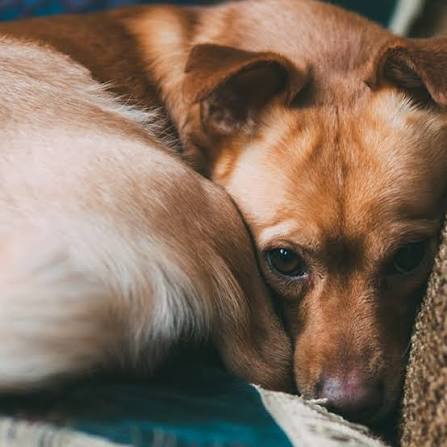
A seizure can look like shaking, but it’s distinctly different. During a seizure, a dog typically:
- Loses consciousness or becomes unresponsive
- Has rigid, jerking muscle movements rather than trembling
- May lose control of their bladder or bowels
- Seems confused and disoriented afterward (this post-seizure confusion is called the “postictal” phase)
If you witness what you think is a seizure — keep calm, move furniture away so they don’t hurt themselves, and do not put your hand near their mouth. Time the episode if you can. Call your vet as soon as it’s over, or go directly to an emergency clinic if it lasts more than two to three minutes.
The Red Flags — Go to a Vet Immediately
Some combinations of symptoms mean you don’t wait. You go.
Get to an emergency vet right away if your dog’s shaking comes with any of these:
- Collapse or inability to stand
- Vomiting or diarrhea alongside the trembling
- Disorientation, confusion, or glazed eyes
- Suspected poison ingestion — even if you’re not certain
- Pale, white, or bluish gums
- Breathing that is labored or unusually rapid
- A seizure that lasts more than two or three minutes
- Shaking that comes on suddenly and severely for no apparent reason
Trust your gut here. If something feels wrong beyond the shaking alone, it probably is.
What to Do Right Now
If your dog is shaking and you’re not sure what’s causing it, here’s what to do:
Step 1: Check the basics. Are they cold? Anxious? Just excited? Rule out the simple stuff first.
Step 2: Look at their gums. Healthy gums are pink and moist. Pale, white, or sticky gums are a sign of shock or severe illness.
Step 3: Check for other symptoms. Are they eating? Moving normally? Any vomiting? Any chance they got into something?
Step 4: If everything seems normal and they’re alert and responsive — monitor them closely for the next hour or two. Many mild cases resolve on their own.
Step 5: If anything feels off, or the shaking is persistent and unexplained — call your vet. Even a phone call to describe the symptoms can help you figure out whether it needs an urgent visit.
Never give your dog human pain relievers or anti-anxiety medication without explicit instruction from a vet. Many of them are toxic to dogs.
Quick Reference — Dog Shaking Causes
| Cause | Urgency | Key Signs |
|---|---|---|
| Cold | Low — warm them up | Shivering outside or in cool room |
| Excitement | None | Happy, energetic, wagging tail |
| Fear / Anxiety | Low to Medium | Triggered by specific event |
| Dreaming | None | Happens during sleep |
| Pain | Medium — see vet soon | Reluctant to move, hunched posture |
| Nausea | Low to Medium | Drooling, lip-smacking, vomiting |
| Poisoning | Emergency — go now | Sudden onset, other symptoms present |
| Ear infection | Medium | Head shaking, scratching one ear |
| Seizure | Emergency | Unconscious, rigid jerking |
| Generalized Tremor Syndrome | Medium — vet needed | Constant trembling, no clear cause |
FAQs
Why is my dog shaking but acting normal?
If your dog is shaking but otherwise eating, drinking, moving, and behaving normally — it’s likely something mild like cold, mild anxiety, or breed-related trembling. Small breeds like Chihuahuas shake more than other dogs even when perfectly healthy. Monitor them, but don’t panic.
Why is my old dog suddenly shaking?
Sudden shaking in senior dogs is more concerning than in younger dogs. It can signal pain from arthritis, neurological changes, or illness. A vet visit is recommended any time an older dog develops a new symptom like unexplained shaking.
Can anxiety cause constant shaking in dogs?
Yes. Dogs with severe or chronic anxiety can tremble regularly — not just during obvious triggers. If your dog shakes frequently and seems persistently stressed, speak with your vet about anxiety management options.
Why does my dog shake after a bath?
Shaking vigorously after a bath is completely normal — dogs instinctively shake water from their coat. If the shaking continues long after they’ve dried, or seems distressed rather than energetic, something else may be going on.
Should I be worried if my dog shakes in their sleep?
Mild twitching and trembling during sleep is normal dream behavior. It’s only a concern if the shaking is violent, sustained, and your dog cannot be woken up easily — in which case it may be a seizure rather than a dream.
Final Thoughts
Seeing your dog shake is unsettling — there’s no way around it. But in most cases, there’s a simple, harmless explanation behind it.
Cold. Excitement. A bad dream. A little anxiety before the vet visit.
The times it’s serious are real — but they come with other signs you’ll notice if you know what to look for. A dog shaking alone, acting normal, eating normally, with pink gums and clear eyes? Probably fine.
A dog shaking while also vomiting, collapsing, or acting completely unlike themselves? That’s your sign to move fast.
You know your dog better than anyone. Trust that knowledge — and when something feels genuinely wrong, trust it enough to make the call.