
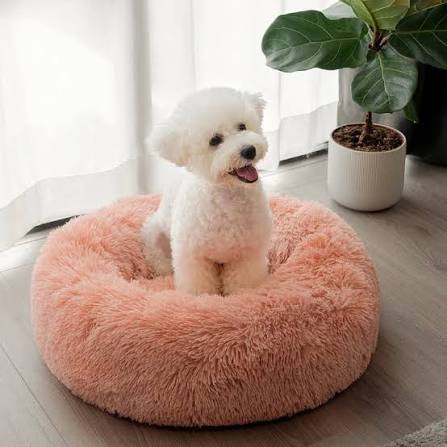

Your dog sleeps anywhere from 12 to 14 hours a day.
That’s more than half their life spent resting. And if they’re doing that on a hard floor, a flat old cushion, or your couch — their joints, muscles, and overall health are paying the price.
A good dog bed isn’t a luxury. It’s one of the most important things you can buy for your dog’s long-term health and comfort.
But with so many options out there, choosing the right one can feel overwhelming. This guide breaks it all down simply — so you get it right the first time.
Table of Contents
- Why Your Dog Needs a Proper Bed
- Types of Dog Beds
- What to Look for Before You Buy
- Dog Bed Size Guide
- Best Dog Beds in 2026
- How to Clean a Dog Bed
- FAQs About Dog Beds
Why Your Dog Needs a Proper Bed

Dogs sleep a lot — but the quality of that sleep matters just as much as the quantity.
Sleeping on hard floors puts constant pressure on your dog’s elbows, hips, and shoulders. Over time, this causes calluses, joint pain, and worsens conditions like arthritis and hip dysplasia — especially in larger breeds and senior dogs.
A proper dog bed:
- Supports joints and distributes body weight evenly
- Keeps dogs warm and insulated from cold floors
- Gives them a defined, personal space that reduces anxiety
- Protects pressure points that develop into painful sores
Even young, healthy dogs benefit from a quality bed. It’s easier to prevent joint problems than to treat them later.
Types of Dog Beds
🛏️ 1. Orthopedic / Memory Foam Beds
The gold standard for dog comfort. These beds use high-density memory foam that contours to your dog’s body shape — relieving pressure on joints and distributing weight evenly.
Best for: Senior dogs, large breeds, dogs with arthritis or hip dysplasia, post-surgery recovery.
What to look for: At least 4 inches of foam thickness. Cheap poly-foam flattens within weeks. True memory foam holds its shape for years.
🛋️ 2. Bolster / Sofa Beds
Feature raised cushioned walls on one, two, or three sides. Dogs can rest their head on the bolster, curl up against the sides, or stretch out in the middle.
Best for: Dogs that love to curl up, lean against something while sleeping, or feel enclosed and secure.
📋 3. Flat Mattress / Pad Beds
Simple, flat foam or polyfill pads. No walls, no raised edges — just a supportive surface.
Best for: Dogs that prefer to sprawl flat, crate liners, dogs that overheat easily (less insulation around them).
🏕️ 4. Donut / Cave Beds
Circular or hooded beds with ultra-plush filling. The edges fold around the dog, creating a cozy, nest-like environment.
Best for: Small breeds, anxious dogs, dogs that love burrowing under blankets.
💪 5. Heavy-Duty / Chew-Proof Beds
Built with ripstop canvas, ballistic-grade fabric, or reinforced stitching. Designed to survive dogs that scratch, dig, and chew their beds apart.
Best for: Power chewers, working dogs, outdoor use, dogs in kennels.
🌬️ 6. Cooling Beds
Use gel-infused foam or breathable mesh surfaces to regulate body temperature during sleep.
Best for: Double-coated breeds (Huskies, Golden Retrievers), dogs in warm climates, summer months.
What to Look for Before You Buy
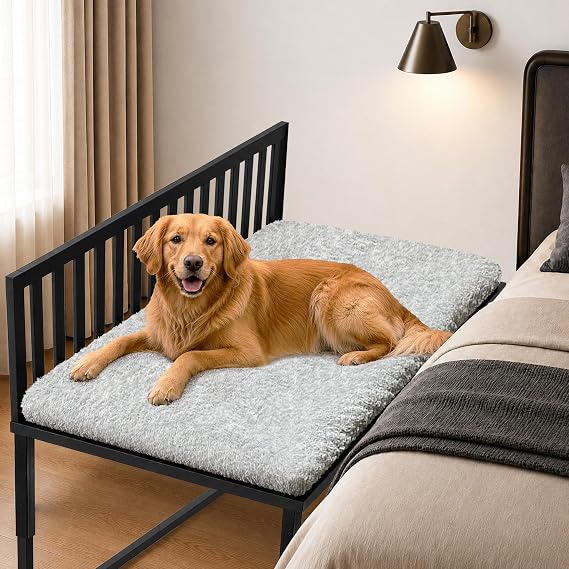
✅ Foam Quality
Cheap foam flattens fast. For dogs over 30 lbs, always choose high-density foam — minimum 4 inches thick. Look for memory foam specifically, not just “foam filling.”
✅ Waterproof Inner Liner
A removable cover is great — but without a waterproof liner underneath, one accident soaks into the foam permanently. The foam becomes a breeding ground for bacteria and odor. Always check for a waterproof inner layer.
✅ Washable Cover
Dog beds get dirty fast. The cover must be removable and machine washable. Read reviews specifically about washing — some covers shrink or become impossible to zip back on after washing.
✅ Non-Slip Bottom
A bed that slides across the floor every time your dog gets in or out becomes a safety hazard — especially for senior dogs. Look for rubber grips or non-slip backing on the bottom.
✅ Durability of Materials
Check the stitching, zipper quality, and fabric weight. A bed that falls apart in 3 months isn’t a deal — it’s a waste of money twice over.
Dog Bed Size Guide
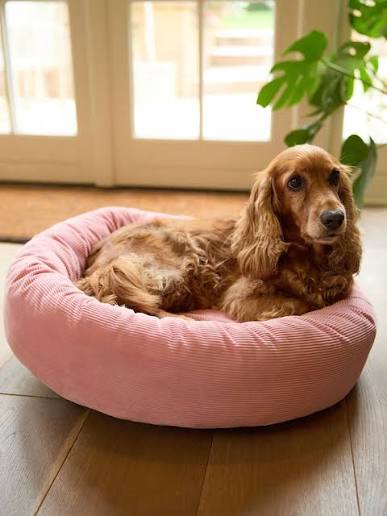
Getting the size wrong is one of the most common mistakes. Your dog needs room to stretch out fully.
How to measure: Measure your dog from nose to tail while they’re fully stretched out. Add 6 to 10 inches to that measurement for the ideal bed length.
| Dog Size | Weight | Recommended Bed Size |
|---|---|---|
| Extra Small | Under 10 lbs | 18″ – 24″ |
| Small | 10 – 25 lbs | 24″ – 30″ |
| Medium | 25 – 50 lbs | 30″ – 36″ |
| Large | 50 – 90 lbs | 36″ – 48″ |
| Extra Large | 90+ lbs | 48″ – 60″+ |
💡 Tip: When in doubt, go one size up. A dog can always curl up smaller on a bigger bed — but they can’t stretch out on one that’s too small.
Best Dog Beds in 2026
| Dog Bed | Best For | Why It Stands Out |
|---|---|---|
| Big Barker 7″ Orthopedic | Large & giant breeds | Clinical-grade foam, 10-year guarantee against flattening |
| FurHaven Sofa Dog Bed | Budget orthopedic | Great foam quality under $50, removable washable cover |
| Casper Dog Bed | Everyday comfort | Pressure-relieving foam, durable bolster walls |
| K9 Ballistics Ripstop | Heavy chewers | Chew-resistant shell, orthopedic core |
| Bedsure Calming Donut Bed | Small anxious dogs | Ultra-plush, self-warming, nest-style |
| Cooling Elevated Cot (Coolaroo) | Hot climates, outdoor use | Breathable mesh, raised off ground, machine washable |
How to Clean a Dog Bed
A clean bed means a healthier dog. Here’s how to keep it fresh:
Weekly: Shake out the bed outdoors, vacuum both sides to remove hair and debris.
Monthly (or after accidents):
- Remove the outer cover and wash in cold or warm water on a gentle cycle
- Use pet-safe, fragrance-free detergent
- Air dry or tumble dry on low — check the label before using heat
- Wipe the waterproof inner liner with a damp cloth and pet-safe cleaner
- Let everything dry completely before reassembling — damp foam grows mold
Never: Soak the foam core in water. Never put the foam in the washing machine. Always check that the cover is completely dry before putting it back on.
FAQs About Dog Beds
❓ How often should I replace a dog bed?
A quality memory foam bed should last 2–5 years. Replace it sooner if the foam has permanently flattened (your dog sinks to the bottom), the cover is torn, or it retains odor despite washing.
❓ Are orthopedic dog beds worth it?
Absolutely — especially for dogs over 40 lbs, seniors, or any dog with joint issues. The difference in joint support between a cheap polyfill bed and a genuine memory foam orthopedic bed is significant. It’s an investment in their long-term health.
❓ Should I get a washable dog bed?
Yes — always. A dog bed without a removable, machine-washable cover will become unhygienic quickly. Bacteria, allergens, and odor build up in fabric that can’t be properly washed.
❓ What’s the best dog bed for a senior dog?
A high-density orthopedic memory foam bed with a waterproof liner, non-slip bottom, and low entry height (so they don’t have to step up or climb in). The Big Barker and FurHaven orthopedic lines are excellent options.
❓ My dog ignores their bed. What should I do?
Place the bed in the room where your dog spends the most time — not in an isolated corner. Put one of your worn T-shirts or their favorite blanket on it. Reward them with treats whenever they lie on it voluntarily. Most dogs take 1–2 weeks to accept a new bed as their own.
❓ Can I put a dog bed in a crate?
Yes — a flat mattress or crate pad works perfectly as a crate liner. Make sure it fits the crate dimensions snugly so your dog doesn’t bunch it up into a corner.



Pingback: Why Does My Dog Sleep on My Pillow? 7 Real Reasons - PetsFuzz