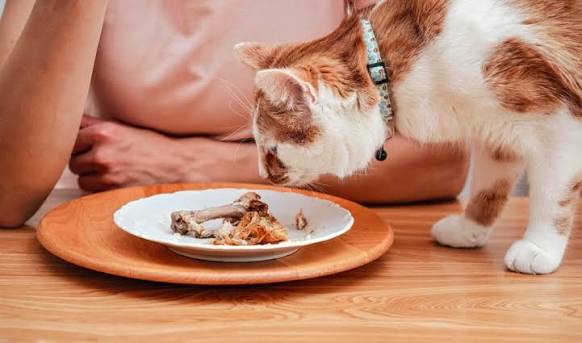

The turkey is resting, the stuffing is steaming on the counter, and your cat is sitting two feet away with the look of someone who has never been fed. So, can cats eat stuffing? No. Most stuffing recipes contain onions or garlic, which are toxic to cats, and a small amount can be a real problem. Here’s what’s in the dish, what to do if your cat got a taste, and what to offer instead.
Can Cats Eat Stuffing? The Short Answer
No, cats shouldn’t eat stuffing. PetMD, in a holiday food guide by Jennifer Coates, DVM, says most stuffing recipes include onion and other ingredients that are toxic to cats, and that even a small amount can be fatal. A veterinarian writing for Cats.com adds that stuffing is often loaded with garlic, onions, and salt, which can cause anemia in cats. If your cat swiped a bite, call your vet or the Pet Poison Helpline instead of waiting to see what happens.
Below you’ll find why stuffing is dangerous, a table of other Thanksgiving foods, what cats can eat instead, and the steps to take if your cat already ate some.
Why Is Stuffing Dangerous for Cats?
Onions and garlic
This is the main reason. Stuffing, also called dressing, is usually built on sautéed onion, celery, and herbs, and many recipes add garlic too. Catster, in an article reviewed by veterinarian Dr. Joanna Woodnutt, says alliums such as garlic and onions damage red blood cells in cats and can lead to anemia. It also says cats are more sensitive than dogs, and that signs of anemia can occur after a cat eats less than a teaspoon of cooked onion.
VCA’s page on onion and garlic poisoning, written by Renee Schmid, DVM, for Pet Poison Helpline, adds three points:
- All forms are dangerous. That includes raw, cooked, dried, powdered, and liquid. A recipe doesn’t become safe just because the onion is cooked.
- Powder is more concentrated. One teaspoon of garlic powder equals about eight cloves of fresh garlic. Seasoning blends and boxed stuffing mixes may contain it, so read the label.
- Garlic is the worst. VCA calls garlic the most toxic of the group.
Salt and fat
Stuffing is typically made with butter, broth, and sausage or other rich ingredients. Cats.com says it can be high in fat and sodium. Catster notes that salty, fatty foods like gravy are things cats don’t need much of, and says that they could cause problems for cats with heart conditions.
Dairy
Butter and cream don’t help either. PetMD says most cats are lactose intolerant, so dairy can cause digestive upset.
Raw dough
If your stuffing starts with homemade bread, keep the dough away from your cat. PetMD notes that unbaked yeast dough can contain alcohol, and Cats.com says raw yeast dough may cause bloating and a tummy upset.
What Other Thanksgiving Foods Can Cats Eat?
This table follows PetMD, Cats.com, and Catster. When in doubt, skip it.
| Dish | Safe for cats? | Why |
| Stuffing or dressing | No | Onion, garlic, salt, fat |
| Plain cooked turkey meat | Yes, a small amount | Lean, unseasoned, no skin or bones |
| Turkey skin, fat, and bones | No | Fat, plus bones can splinter and block the gut |
| Gravy | Avoid | Onion or garlic can make cats very sick, and it’s salty and fatty |
| Cranberry sauce | No | High in sugar |
| Plain pumpkin puree | Yes, a small amount | Cats.com says it can be healthy |
| Pumpkin pie | No | Seasoning, spices, and rich crust |
| Green bean casserole | No | Dairy sauce, and usually onions |
| Mashed potatoes with butter | No | Dairy toppings upset many cats’ stomachs |
PetMD also says plain, cooked, skinless, unseasoned turkey is safe in small amounts, and that bones can splinter easily.
Is Any Stuffing Safe for Cats?
Cats.com says plain bread or rolls are acceptable if unseasoned. So a bite of plain, baked bread won’t hurt a healthy cat. But by the time bread has become stuffing, it comes with the problems above. Catster says that even stuffing without alliums “won’t be deadly” but isn’t nutritious. Our advice is simple: keep the stuffing off your cat’s plate, even if you made it without onion, because it’s easy to misjudge what’s in a seasoning blend.
What Should You Do If Your Cat Ate Stuffing?
Catster says cats are more sensitive to onion and garlic than dogs are, so don’t take a wait-and-see approach.
- Take it away. Get the rest of the stuffing out of reach and find out what was in it, especially onion, garlic, or garlic powder.
- Call right away. VCA says that if you believe your cat ate any allium, call your veterinarian or Pet Poison Helpline immediately. The helpline is available around the clock at 855-764-7661 (a fee applies). Cats.com adds that time matters, since your vet may need to induce vomiting.
- Don’t try to make your cat vomit at home. Let your vet decide.
- Bring the recipe or package. Ingredient lists help your vet judge the risk.
- Know the warning signs. VCA lists mouth irritation, drooling, nausea, belly pain, vomiting, and diarrhea early on. Weakness, a fast heart rate, panting, pale gums, and red-colored urine can follow when red blood cells are damaged.
A cat who ate a non-toxic food can still get an upset stomach. PetMD advises calling your vet if you notice vomiting, diarrhea, poor appetite, or low energy. If your cat stops eating after the holiday, our guide on a cat that’s not eating explains what to watch for.
How Can You Keep Your Cat Out of the Stuffing?
- Move the dish. Put leftovers in the fridge as soon as dinner is over, not on the counter.
- Close the trash. Scraped plates and turkey drippings are in there.
- Warn your guests. Ask everyone, especially kids, not to slip food to the cat.
- Give your cat a treat of their own. A few bites of plain turkey or a cat treat keeps them busy. Count it as part of their daily food.
- Play first. A short wand-toy session before dinner can ease the begging. Our guide on why cats stare at you while you eat explains the habit.
- Give them a quiet room. If your cat is too curious, a closed door and a perch with a view can keep them safe.
- Remember the dog. If you share your home with a dog, the same onion warning applies; see our green bean casserole guide for the dog version.
Frequently Asked Questions
Can cats eat turkey stuffing?
No. Turkey stuffing is the same dish, and it usually contains onion and garlic. PetMD says a small amount can be fatal, so call your vet if your cat ate any.
Can cats eat stuffing without onions?
It’s still not a good idea. Catster says stuffing without alliums won’t be deadly, but it isn’t nutritious, and it’s usually salty, fatty, or buttery. It’s also easy to miss garlic powder or onion powder in a seasoning blend.
Can cats eat bread?
A little plain, baked, unseasoned bread is acceptable, according to Cats.com. Raw yeast dough isn’t, because it can cause bloating and tummy upset.
My cat ate stuffing. What should I do?
Find out what was in it, and call your vet or the Pet Poison Helpline right away, even if your cat seems fine. Anemia from onion or garlic can follow, and VCA says to call immediately if you think your cat ate any allium.
Can cats eat Thanksgiving turkey?
A small amount of plain, cooked, skinless, unseasoned turkey is safe, according to PetMD and Cats.com. Keep skin, fat, and bones away from your cat.
The Bottom Line
Keep the stuffing on the table and your cat’s plate plain. Before dinner, set aside a small piece of unseasoned, cooked turkey as their holiday treat. If your cat already ate stuffing, call your vet or Pet Poison Helpline right away. For more help with cat feeding questions, browse the cat guides on PetsFuzz.