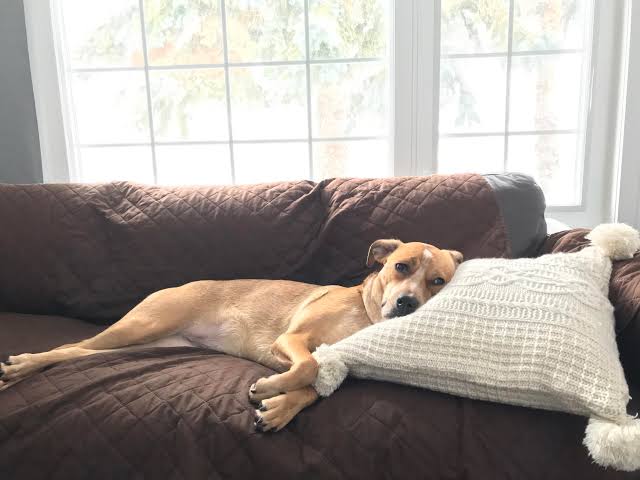

You get up for a glass of water. By the time you’re back, your dog has claimed your pillow, curled into the dent your head left behind, and is looking at you like you’re the one out of line. So why does my dog sleep on my pillow? Mostly because it smells like you, it’s soft, and it’s warm. Sometimes there’s more going on, and this guide sorts out which is which.
Why Does My Dog Sleep on My Pillow? The Short Answer
Your dog sleeps on your pillow because it carries your scent, feels soft and warm, and keeps them close to you. For most dogs, that’s a harmless sign of comfort and attachment. It only becomes a concern when it comes with anxiety, guarding, or a sudden change in your dog’s habits.
The seven reasons below explain the “why.” After that, you’ll see how to tell a normal habit from a red flag, whether it’s safe, and how to move your dog off the pillow if you want your side of the bed back.
What Are the 7 Reasons Dogs Sleep on Pillows?
1. Your pillow smells like you
Dogs live through their noses. Your pillow is soaked in your scent, from your hair, your skin, and the detergent in the pillowcase, and to a dog that’s about as comforting as a favorite blanket is to a toddler. It’s familiar. It’s calming. It says “my person is close,” even when you’re at work.
This is also why so many dogs steal worn socks, hoodies, and T-shirts from the laundry basket. Same logic, smaller target.
2. It’s the softest seat in the house
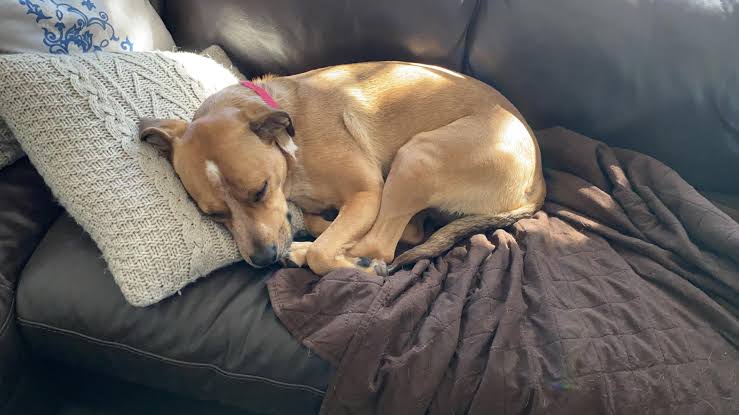
Adult dogs sleep around 12 to 14 hours a day, so a good spot matters. A pillow is raised, squishy, and shaped to hold a head. A thin dog bed or a hard floor can’t compete with that. If your dog skips a pricey bed for your pillow, the bed may be the problem, not the dog.
3. Your head is the warm end of the bed
Your head gives off steady warmth through the night, and the pillow holds onto it. Small or thin-coated dogs, like Chihuahuas, Greyhounds, and Whippets, tend to hunt for the warmest spot available, so they’re especially likely to settle there when the weather turns cold.
4. They feel safe close to your face
Dogs are social animals, and sleeping near your head puts them as close to you as they can get. You’re breathing, you’re warm, and you’d notice if something changed. Plenty of dogs sleep there facing the door, like a small night watchman.
5. It’s how they show attachment
Leaning, nudging, and sleeping against you are all ways dogs show trust. Choosing your pillow is the close-up version, because it puts them near your hair and your breath. If your dog also licks you or follows you from room to room, it’s the same pattern showing up in a different place.
6. They’re stressed or anxious
An anxious dog may cling to anything that smells like you, especially when you’re gone. Look for the other signs: pacing, whining, chewing, accidents in the house, or trouble settling when you leave. Stress also shows up in quieter ways, like lip licking, yawning, and a tucked tail. A pillow on its own doesn’t mean separation anxiety. Those other signs do.
7. You taught them without meaning to
Be honest: did you laugh the first time? Cuddle them? Let them stay? Dogs repeat what works. If the pillow earned attention or affection even once, it can turn into a nightly routine fast.
Is It Normal, or Is Something Wrong?
A pillow habit on its own is rarely a problem. What matters is how your dog acts around it, and whether anything has changed. Use this table as a quick check.
| What you notice | Usually normal | Worth a closer look |
| Timing | Settles in when you get into bed, or after you leave | Starts suddenly, then avoids their own bed completely |
| Body language | Loose, relaxed body and soft eyes | Stiff body, hard stare, growling when you move them |
| When you’re away | Naps, then wakes up calm | Pacing, whining, chewing, or accidents |
| Sleep quality | Settles within a few minutes | Restless, panting, can’t get comfortable |
| Everything else | Eating, playing, and bathroom habits unchanged | Appetite, energy, or bathroom habits have shifted |
A dog who’s slept on your pillow for years is one story. A dog who suddenly can’t settle anywhere else is another. The change is the clue.
Is It Safe to Let Your Dog Sleep on Your Pillow?
For a healthy dog in a healthy household, yes, it’s generally safe. Plenty of people share their pillow with a dog and sleep fine. A few situations call for a firmer line:
- Allergies or asthma. Dander, pollen, and dust travel on a dog’s coat and end up on bedding, right next to your nose. If you wake up stuffy, the pillow may be why.
- Fleas and ticks. Parasites can move from coat to bedding. Keep your dog on a vet-recommended preventive year-round.
- Guarding. If your dog stiffens, growls, or snaps when you reach for the pillow, they need their own spot and help from a certified trainer or behaviorist. A staring contest won’t fix it.
- Small dogs and puppies. A toy-breed dog sleeping up high can get hurt jumping down. A pet step or ramp helps.
- Your own sleep. If you’re waking up three times a night to shove a snoring dog off your face, that’s reason enough to change the setup.
Our take: if nobody in your home has allergies and your dog is relaxed about it, there’s no need to fight it. Wash the pillowcase weekly and enjoy the company.
When Should You Worry About Your Dog’s Pillow Habit?
Call your veterinarian if the habit is new and comes with other changes. Pain, nausea, or being too hot or too cold can change where a dog chooses to rest, and a spot near you may be the only one that feels okay.
Worth a vet visit:
- A dog who never did this suddenly won’t leave your pillow
- A dog who refuses their own bed or can’t get comfortable anywhere
- Heavy panting at night, limping, vomiting, or a drop in appetite or energy
Worth a trainer or behaviorist:
- Growling, stiffening, or snapping around the pillow or bed
- Signs of separation anxiety whenever you leave
Older dogs deserve extra attention here. A senior dog who suddenly wants to be close at night may be telling you something is off.
How Do You Stop a Dog From Sleeping on Your Pillow?
To stop a dog from sleeping on your pillow, give them a better spot that smells like you, reward them for using it, and make the pillow less available. Skip the punishment. Scolding can teach a dog to avoid you, not to choose their bed.
- Upgrade the bed. Pick one with a raised edge or bolster so they can rest their head the way they do on your pillow. A flat mat won’t compete.
- Make it smell like you. Tuck a worn T-shirt or an old pillowcase into their bed. This one trick does more than most people expect.
- Put it close. Place the bed right beside yours at first. Once your dog settles there reliably, move it a little farther away each week.
- Reward the right choice. Give a treat and calm praise the moment they lie down on their bed, not five minutes later.
- Make the pillow less available. Put it away during the day, or close the bedroom door while you’re out, so they can’t claim it before you get home.
- Stay consistent. Give it a few weeks, and make sure everyone in the house follows the same rules. One person who lets them sneak back on can undo the whole thing.
If anxiety is behind the habit, a new bed won’t solve it. Work on the anxiety itself with your vet or a certified trainer.
How Can You Keep the Pillow Habit Clean?
If you’re happy to share, a few small habits make it healthier for both of you:
- Wash your pillowcase weekly, and use a pillow protector underneath.
- Keep fleas and ticks off your dog with the preventive your vet recommends.
- Wipe paws after muddy or wet walks.
- Brush your dog often to cut down on shedding.
- Wash your dog’s own bedding regularly, so their bed doesn’t lose to a fresher pillow.
Frequently Asked Questions
Why does my dog sleep on my pillow and not my partner’s?
Usually it comes down to scent and attachment. Your dog may spend more time with you, find your smell more comforting, or link you with food, walks, and affection. Routine matters too. Whoever your dog sees as their main person often gets the pillow.
Why does my dog sleep on my head?
For the same reasons they choose your pillow: warmth, scent, and closeness. Your head is the part of you that’s usually uncovered in bed, so it’s the easiest warm spot to reach. If it’s wrecking your sleep, move their bed next to yours and reward them for using it.
Is it bad to let my dog sleep on my pillow?
Not for most healthy dogs. It becomes a problem if you have allergies or asthma, your dog guards the bed, or the habit comes with anxiety. In those cases, set up a separate sleeping spot.
Does a dog sleeping on my pillow mean they think they’re the boss?
No. Current behavior science doesn’t support the idea that sharing a bed makes a dog “dominant.” Pillow sleeping is almost always about comfort and closeness. Growling or snapping over the bed is a separate issue called resource guarding, and it deserves help from a professional.
Why does my dog try to sleep under my pillow?
Burrowing is often tied to a natural denning instinct. A dark, snug space feels secure, and your pillow smells like you. Many dogs also scratch and circle at bedding before they lie down, which is a built-in nesting habit.
The Bottom Line
Watch the pattern for a week. If your dog settles easily, acts relaxed, and nothing else has changed, enjoy the company and keep the pillowcase clean. If you want your pillow back, start tonight with a better bed and a worn T-shirt. PetsFuzz has more dog behavior and care guides for US pet owners whenever you’re ready for the next question.