

Dogs cannot tell us when they feel overwhelmed, anxious, or uncomfortable, yet they express it through body language. Additionally, some signs of stress in dogs, Signs Your Dog Is Stressed, can be subtle for loving owners to miss.
However, a wagging tail or playful bark may show happiness.
Additionally, other behaviors, such as frequent yawning, lip licking, or walking away, indicate Signs Your Dog Is Stressed.
Recognizing these early warning signs can help you understand your furry friend better, prevent stressful situations from escalating, and create a more comfortable environment for your pet.
In this article, we explore seven subtle signs of stress in dogs, what they might mean, and how you can help your canine companion feel safer and more relaxed.

1. Excessive Yawning When Your Dog Isn’t Tired
Yawning is completely normal for dogs, especially when they are sleepy or waking up from a nap. However, repeated yawning in situations that are not associated with tiredness may be one of the lesser-known signs of stress in dogs.
For example, your dog might repeatedly yawn when meeting unfamiliar people, visiting the veterinarian, hearing loud noises, or encountering another dog.
This behavior can sometimes serve as a calming signal, helping a dog cope with an uncomfortable situation.
How to Recognize Stress-Related Yawning
Pay attention to when your dog yawns. If it happens repeatedly alongside other behaviors, such as turning away, lowering the body, or avoiding interaction, your dog may be feeling uneasy.
How to Help
Give your dog a little space and reduce exposure to whatever might be causing discomfort. Avoid forcing interactions, and allow your pet to approach new people or environments at their own pace.
Remember that yawning alone does not prove your dog is stressed. Look at the entire situation and your dog’s other body language.
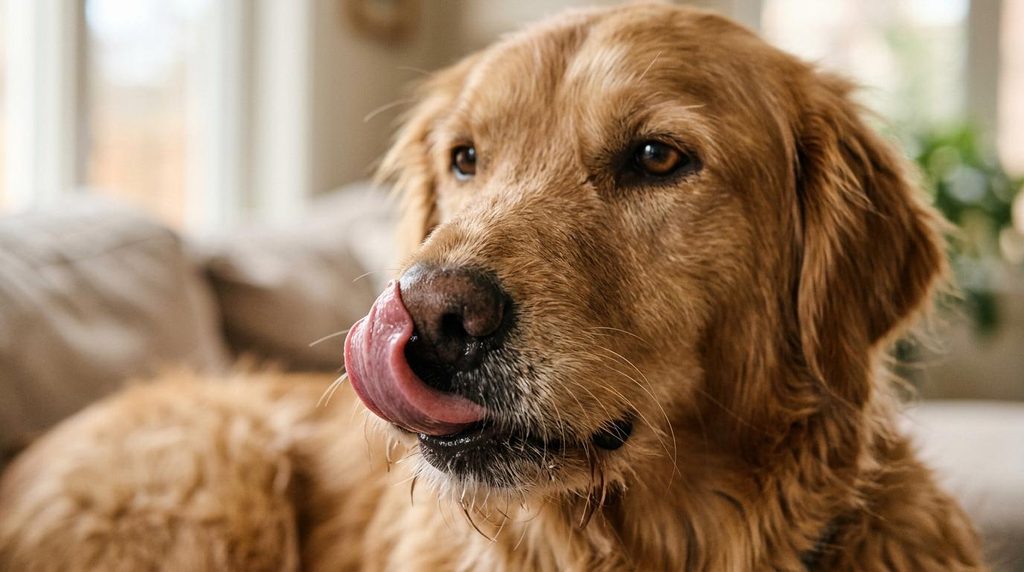
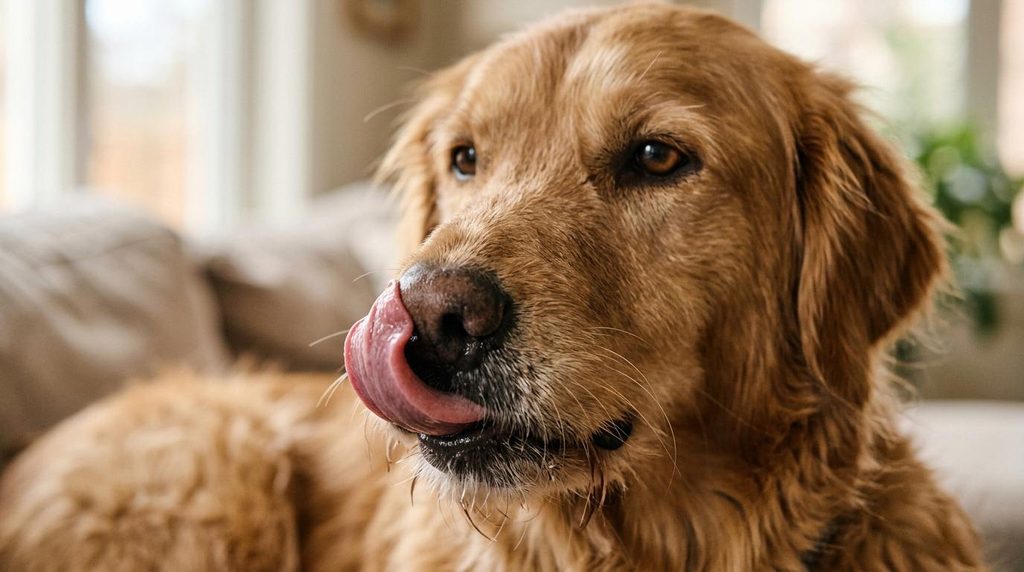
2. Frequent Lip Licking or Nose Licking
Have you noticed your dog repeatedly licking their lips even when there is no food around?
Occasional lip licking is normal, but frequent licking or quick tongue flicks can sometimes be a sign of discomfort or uncertainty. This behavior may appear when a dog feels intimidated, is approached too quickly, or finds a particular situation overwhelming.
For example, a dog might lick its nose when a stranger bends over it or when a child tries to hug it.
What Does Lip Licking Mean in Dogs?
Lip licking can be a subtle form of communication. Your dog may be signaling that they need more space or that they are unsure about what is happening.
Other signs that may accompany this behavior include:
- Turning the head away.
- Flattening the ears.
- Avoiding eye contact.
- Holding the body stiffly.
- Moving away from a person or another animal.
How to Help a Dog That Keeps Licking Its Lips
Avoid crowding your dog or forcing physical contact. Give your pet the opportunity to move away and observe whether the behavior decreases when the situation becomes calmer.
If lip licking is persistent or occurs alongside drooling, mouth discomfort, vomiting, or changes in appetite, consult your veterinarian to rule out a medical cause.
3. Avoiding Eye Contact or Turning Away
Dogs communicate a great deal through their eyes and head movements. While some dogs naturally avoid direct eye contact, a sudden change in these behaviors may indicate discomfort.
A stressed dog might turn its head away when someone approaches, avoid looking at another dog, or repeatedly shift its gaze during an interaction.
These actions can be attempts to reduce social pressure and avoid confrontation.
Why Your Dog Might Look Away
Direct staring can feel threatening to some dogs, particularly when they are already uncomfortable. If your dog turns away, lowers its head, or moves backward when approached, it may be asking for more space.
However, looking away can also be a normal individual behavior, so context matters.
What You Should Do
- Approach your dog calmly and from the side rather than leaning directly over it.
- Avoid forcing eye contact.
- Let your dog choose whether to approach you.
- Watch for additional signs of tension, such as a stiff body or tucked tail.
Respecting these small signals can help build trust and make everyday interactions more comfortable.
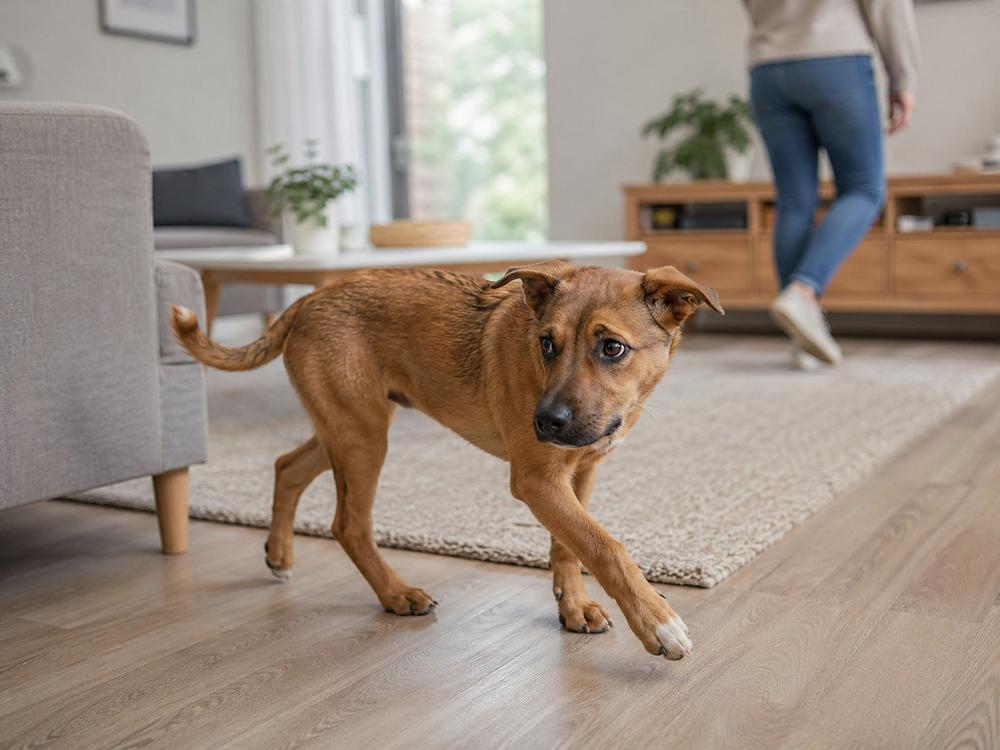
4. Pacing, Restlessness, or Constantly Changing Positions
Does your dog seem unable to settle down even when the house is quiet?
Restlessness can sometimes indicate stress, especially when your dog repeatedly walks around, changes sleeping positions, follows you from room to room, or struggles to relax in a familiar environment.
Some dogs become restless during thunderstorms, fireworks, visitors arriving, or changes in their daily routine.
When Restlessness May Indicate Stress
Look for patterns. If your dog starts pacing whenever you prepare to leave the house or when loud noises occur outside, anxiety may be contributing to the behavior.
Other possible signs include panting when it is not hot, trembling, whining, or repeatedly seeking your attention.
Ways to Help Your Dog Relax
Create a quiet, comfortable space where your dog can retreat when things become overwhelming. Maintain a predictable daily routine, provide appropriate exercise, and offer calming activities such as sniffing games or food puzzles.
Never assume that restlessness is always behavioral. Pain, digestive problems, and other medical conditions can also cause difficulty settling down. Sudden or persistent restlessness deserves veterinary attention.
5. Excessive Licking of the Paws or Body
Dogs groom themselves naturally, but repeated licking of the paws, legs, or other body parts can sometimes indicate emotional distress.
When a dog feels anxious or overwhelmed, repetitive behaviors may become a way of coping with discomfort. However, excessive licking is also commonly associated with physical problems.
Is Your Dog Licking Because of Stress?
Notice when the licking occurs. Does your dog start licking its paws during a thunderstorm, when left alone, or after an unsettling interaction?
If the behavior repeatedly appears in stressful situations, anxiety could be one contributing factor.
However, allergies, skin infections, parasites, injuries, and pain are also common causes of excessive licking.
How to Respond
First, check for redness, swelling, wounds, or irritation. If the licking continues, causes skin damage, or appears suddenly, arrange a veterinary examination.
If a medical cause has been ruled out, consider whether changes in routine, insufficient rest, or stressful surroundings could be contributing to the behavior.
Providing mental enrichment, gentle exercise, and a predictable environment may help, but persistent anxiety may require guidance from a qualified veterinary behavior professional.
6. Hiding or Suddenly Becoming Less Social
A normally friendly dog that begins hiding under furniture, retreating to another room, or avoiding family members may be trying to cope with discomfort.
Some dogs respond to stress by becoming more withdrawn rather than displaying obvious fear.
You might notice your dog spending more time in its crate, moving away when visitors arrive, or refusing to participate in activities it usually enjoys.
Why Dogs Hide When They Feel Stressed
Hiding can provide a sense of safety when a dog feels threatened, overstimulated, or uncertain. Loud noises, unfamiliar guests, household changes, and negative experiences can all contribute to this behavior.
However, withdrawal can also be a sign of pain or illness, particularly when it is new or accompanied by reduced appetite or low energy.
How to Make Your Dog Feel Safe
Allow your dog to retreat to a quiet area without being followed or pulled out. Make sure the space is comfortable and that other household members respect it.
Avoid forcing your dog to greet visitors or interact with unfamiliar animals. Instead, use gradual, positive experiences that allow your dog to approach when ready.
If your dog suddenly becomes withdrawn or remains unusually isolated, consult your veterinarian.
7. Changes in Tail Position, Ears, or Overall Body Posture
One of the most important ways dogs communicate stress is through their body language.
A dog does not need to bark, growl, or run away to show discomfort. Small changes in posture can provide valuable clues about how your pet is feeling.
Subtle Body Language Signs of Stress in Dogs
Watch for these possible indicators:
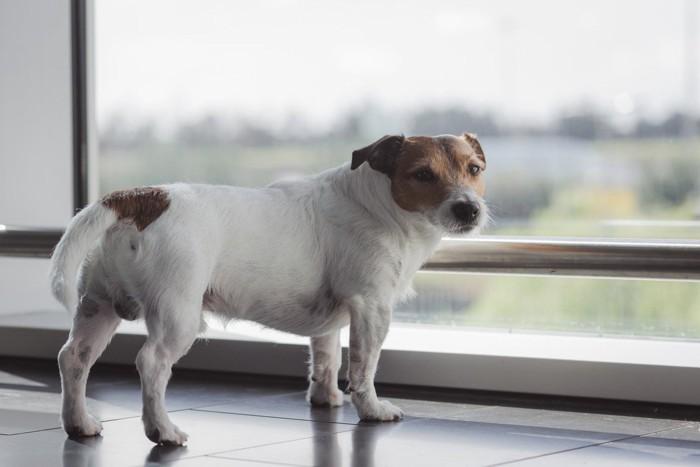
- Tucked tail: The tail is held low or tucked between the legs.
- Pinned-back ears: The ears are held back more than usual.
- Crouched posture: The dog lowers its body or shifts its weight backward.
- Stiff body: The dog becomes unusually rigid or freezes.
- Whale eye: The whites of the eyes become visible as the dog turns its head while keeping its eyes on something.
- Excessive panting: The dog pants despite cool temperatures and minimal physical activity.
These signs should be interpreted together rather than individually. For example, a naturally relaxed dog may carry its tail low, while another dog may become visibly tense when approached.
What Your Dog’s Body Language Is Telling You
If several stress signals appear together, stop what you are doing and give your dog more space. Avoid punishment or confrontation, as these responses can increase fear and make communication more difficult.
Learning your dog’s normal posture and behavior will help you recognize changes more quickly and respond appropriately.
How to Help a Stressed Dog Feel Safe and Relaxed
Recognizing stress is only the first step. The next is helping your dog feel comfortable without forcing it to tolerate situations that cause fear.
Here are five practical ways to support your dog.
1. Identify and Reduce Stress Triggers
Observe when your dog becomes uncomfortable. Common triggers include loud noises, unfamiliar people, other animals, being left alone, and sudden changes in routine.
Whenever possible, reduce exposure to overwhelming situations while you work on helping your dog cope.
2. Create a Safe, Quiet Space
Provide a comfortable bed or quiet area where your dog can rest without being disturbed. If your dog uses a crate as a safe space, make sure it has been introduced positively and is never used as punishment.
3. Maintain a Predictable Routine
Regular feeding times, walks, play sessions, and rest periods can help some dogs feel more secure.
Consistency is especially helpful when a dog is adjusting to a new home, a new family member, or changes in its environment.
4. Use Positive Reinforcement
Reward calm behavior and voluntary approaches with treats, praise, or play when appropriate. For fearful dogs, gradual exposure at a comfortable distance can help build confidence.
Never force your dog to face a fear or punish it for showing signs of anxiety.
5. Seek Professional Help When Needed
If stress is frequent, severe, or interfering with everyday life, speak with your veterinarian. They can assess possible medical causes and recommend an appropriate behavior plan or referral to a qualified professional.
Sudden behavioral changes, self-injury, persistent panting, or signs of pain should not be dismissed as ordinary stress.
Frequently Asked Questions About Stress in Dogs
What are the most common signs your dog is stressed?
Common signs include excessive yawning, lip licking, avoiding eye contact, pacing, hiding, changes in body posture, panting, and unusual withdrawal. Individual signs can have other explanations, so consider the context and your dog’s normal behavior.
Can dogs hide their stress from their owners?
Yes. Some dogs display subtle signs of discomfort rather than obvious behaviors such as barking or attempting to escape. Learning to recognize small changes in body language can help owners identify stress earlier.
How can I tell if my dog is stressed or sick?
Stress and illness can cause overlapping symptoms, including restlessness, hiding, panting, and changes in appetite. If the behavior is new, persistent, severe, or accompanied by physical symptoms, consult your veterinarian rather than assuming anxiety is the cause.
Should I comfort my dog when it is stressed?
You can calmly support your dog by offering space, providing a safe environment, and allowing it to approach you voluntarily. Avoid forcing contact or exposing your dog to something frightening. Reward-based training and professional guidance can help when stress is recurring.
How long does stress last in dogs?
It depends on the trigger and the individual dog. Mild, short-lived stress may settle once the trigger disappears, while ongoing anxiety may persist without appropriate support. Seek veterinary advice if your dog struggles to recover or frequently displays stress-related behaviors.
Final Thoughts: Learn to Recognize Your Dog’s Silent Signals
Your dog does not need to bark, growl, or run away to tell you something feels wrong. Additionally, behaviors such as yawning, lip licking, hiding, or changes in body posture may be Signs Your Dog Is Stressed.
By understanding the signs your dog is stressed, you can respond with patience, recognize potential triggers, and create a safer, more predictable environment.
Remember that no single behavior confirms stress, and sudden changes can indicate a medical problem. Observe your dog’s overall body language, respect its need for space, and consult a veterinarian when concerns persist.
Sometimes, helping your dog feel better begins with noticing the little things it cannot tell you in words.


Very informative article! Understanding these subtle signs of stress can help dog owners take better care of their furry friends. Thanks for sharing these helpful tips! 🐶❤️