

You open the back door, let your dog out, and within thirty seconds they’ve dropped their nose to the lawn and started grazing like a small, confused sheep.
You stand there watching. Wondering.
Are they sick? Is something missing from their diet? Are they just weird?
This is one of the most common things dog owners Google — and also one of the most misunderstood. Because the answer most people assume is true turns out to be mostly wrong.
Here’s what’s actually going on.
The Big Myth — Let’s Get It Out of the Way
Almost every dog owner believes the same thing: dogs eat grass because their stomach is upset, and they’re trying to make themselves vomit.
It sounds logical. It’s repeated constantly. And according to veterinary research — it’s largely not accurate.
Studies examining grass-eating behavior in dogs found that fewer than 25% of dogs vomit after eating grass. And less than 10% showed any signs of illness before they started eating it.
So the dog-eats-grass-to-get-sick theory explains a small minority of cases at best. For the overwhelming majority of grass-eating dogs, something else entirely is going on — and they’re doing it in perfect health.
The Real Reasons Your Dog Eats Grass
It’s Written Into Their DNA
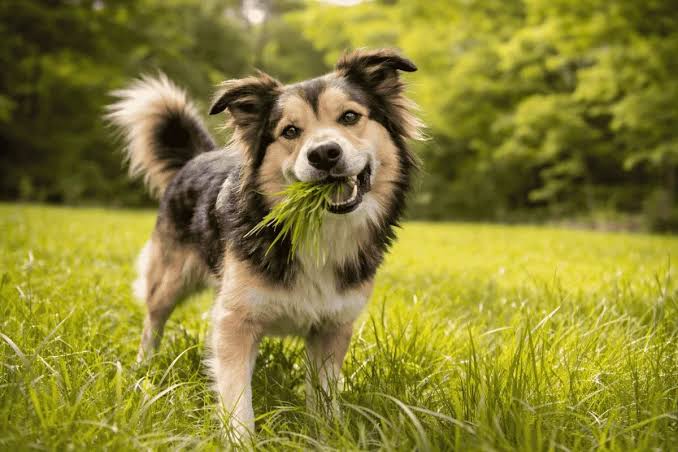
Your dog’s ancestors didn’t eat kibble from a stainless steel bowl twice a day. Wild canids — wolves, foxes, coyotes — foraged. And studies of wild canid diets consistently show plant material making up a small but regular portion of what they consume.
Some of that came from eating prey animals whole, stomach contents included — which often contained partially digested plant matter. Some came from foraging directly. Either way, plant material has been part of the canine diet for a very long time.
Your dog eating grass isn’t a glitch in their system. It might just be an ancient behavior running quietly in the background — a leftover from long before domestication turned them into couch residents with designer food bowls.
Their Body Wants Fiber
Dogs are predominantly carnivores but they’re not exclusively so. Their digestive systems are built to handle plant material, and fiber specifically plays an important role in keeping things moving correctly.
If a dog’s regular diet is low in fiber — or if their gut is just feeling sluggish — they may instinctively reach for grass as the most accessible roughage available.
There’s even veterinary case documentation of dogs with obsessive grass-eating habits that completely stopped the behavior once switched to a high-fiber diet. Their body was asking for something specific, and grass was the closest available answer.
If your dog grazes regularly, it might be worth checking the fiber content of their current food and talking to your vet about whether that could be a factor.
They Actually Like How It Tastes
This one doesn’t get enough credit.
Fresh grass — especially the young, tender shoots that come up after rain — has a specific texture and sweetness that many dogs genuinely find appealing. There’s no hidden agenda. No digestive calculation happening in the background.
They just like it.
Dogs explore the world through their mouths. They chew things, taste things, and develop preferences the same way humans do. For some dogs, grass is simply enjoyable, the same way some dogs love carrots and others will do anything for a piece of watermelon.
It’s not deep. It doesn’t require a medical explanation. Sometimes a dog eating grass is just a dog eating something they think is good.
They’re Bored — Or Stressed
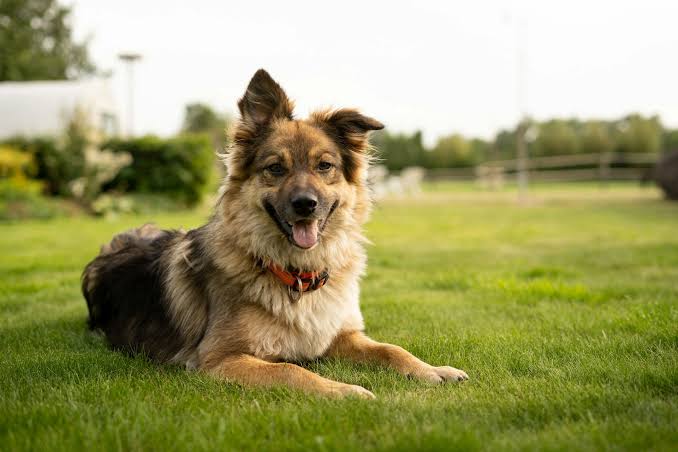
A dog left alone in a yard with nothing to do will find something to do. That often involves their mouth.
Grass-grazing can become a displacement behavior — something repetitive and low-effort that gives an under-stimulated or mildly anxious dog something to focus on. It’s the dog equivalent of a person mindlessly snacking in front of the television. Not hungry. Not particularly interested. Just doing something with their hands.
If your dog tends to eat grass specifically when left alone outside for long periods, or when they seem restless and unfocused, boredom or mild anxiety is likely contributing. More exercise, mental enrichment, and interactive play often reduces the behavior noticeably.
It Might Just Be Habit
Some dogs eat grass because they did it once, it was fine, and so they kept doing it.
Habits form in dogs the same way they form in humans — through repetition that goes unreinforced but also unpunished. If eating grass produces no negative consequence and occasionally produces the mild satisfaction of chewing something with texture, the behavior simply continues.
There’s no illness. No fiber deficiency. No ancestral memory being activated. Some dogs just ate grass one day and decided it was part of their routine now.
When You Should Actually Worry
For most dogs, occasional grass eating is completely harmless background behavior worth maybe a glance and nothing more.
But there are situations where it deserves closer attention.
Watch for these:
Frantic or obsessive grazing — If your dog is urgently, frantically seeking out and swallowing large amounts of grass rather than grazing calmly, that urgency is a signal. It can indicate gastrointestinal distress, pancreatitis, or intestinal issues that need veterinary evaluation.
Grass eating with other symptoms — Lethargy, loss of appetite, frequent vomiting, diarrhea, or weight loss alongside grass eating is a combination that needs a vet visit. The grass eating in this case may genuinely be an attempt to relieve discomfort — which means the discomfort itself needs to be addressed.
When it’s not just grass — A dog that eats grass, dirt, rocks, fabric, plastic, and other non-food items is showing signs of pica — a condition that has medical causes and requires a proper workup, not just redirection.
Sudden change in behavior — A dog that never ate grass and suddenly starts doing it obsessively is telling you something changed. It’s worth investigating.
The One Safety Warning Everyone Needs to Hear

The grass itself is usually not the problem.
What’s on the grass sometimes is.
Herbicides, pesticides, and chemical fertilizers used on lawns can be genuinely dangerous to dogs who graze. Many of these products don’t look or smell different to your dog — but they can cause serious toxicity.
If you’re not certain a lawn is untreated — a neighbor’s yard, a park, any grass you didn’t personally tend — keep your dog from grazing on it. It’s not worth the risk.
Also worth knowing: large piles of decomposing grass clippings can harbor mold that causes tremors and neurological symptoms in dogs. If your dog is attracted to the clipping pile after you mow — keep them away from it.
Your own untreated lawn, however, is generally fine.
Quick Reference — Why Dogs Eat Grass
| Reason | How Common | Action Needed |
|---|---|---|
| Ancestral foraging instinct | Very common | None — it’s normal |
| Craving fiber | Moderately common | Check diet fiber content |
| Genuinely likes the taste | Common | None |
| Boredom or mild anxiety | Common | More exercise and enrichment |
| Habit | Common | None |
| Stomach upset | Less common than believed | Monitor for other symptoms |
| Underlying GI issue | Less common, but possible | Vet visit if obsessive or paired with symptoms |
FAQs
Is it safe for dogs to eat grass?
Generally yes — untreated grass in moderation is not harmful to dogs. The concern is chemical treatment on lawns (pesticides, herbicides, fertilizers) or mold in decomposing grass clippings. Those can cause real problems.
Should I stop my dog from eating grass?
Not necessarily. Occasional calm grazing in a safe, untreated area is harmless. If it’s obsessive, sudden, or paired with other symptoms — then yes, redirect them and see your vet.
Does grass eating mean my dog is missing nutrients?
Sometimes. Fiber is the most likely candidate. If your dog grazes frequently, check whether their food has adequate fiber content. High-fiber vegetables like cooked carrots, green beans, or pumpkin can be added as a supplement if needed. Confirm with your vet.
Why does my dog eat grass and then throw up?
Some dogs do vomit after eating grass — but this is less common than most people believe, and vomiting isn’t necessarily the goal. Grass blades have a tickling texture that can trigger the gag reflex in some dogs. If your dog regularly vomits after grass eating, it’s worth a vet conversation to rule out underlying GI issues.
My dog only eats grass in the morning. Why?
Morning grass eating is fairly common and often related to an empty stomach. Bile can build up overnight and cause mild nausea that prompts the behavior. If your dog seems uncomfortable in the morning regularly, talk to your vet — a small late-night snack sometimes helps.
Do cats eat grass too?
Yes — cats eat grass for similar reasons, primarily for fiber and to help pass hairballs. Cat grass sold in pet stores is specifically grown for this purpose and is safe for both cats and dogs.
Final Thoughts
Your dog eating grass is almost certainly not a cause for alarm.
It’s ancient. It’s instinctive. It’s sometimes dietary. And sometimes it’s just because the grass after rain smells interesting and tastes like something worth chewing.
Watch the context. Watch for obsessive behavior or additional symptoms. Keep them off chemically treated lawns. And otherwise — let your dog have their weird little moment with the lawn.
They’ve been doing it since long before you had anything to say about it. 🐾