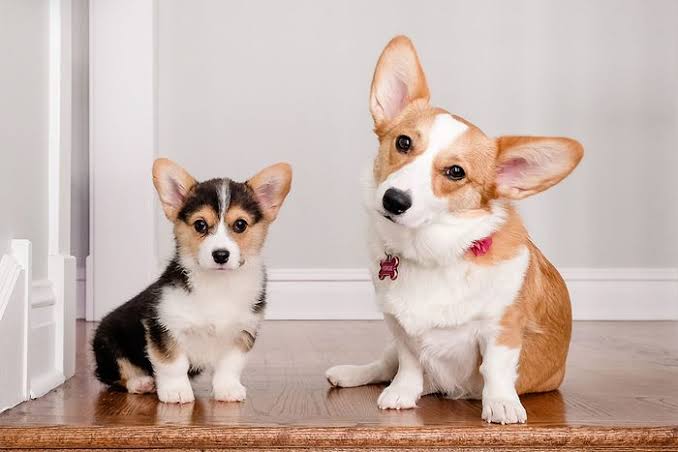

Picking a family dog isn’t just about picking a cute dog. It’s about picking the right fit — a dog that matches your energy level, your home size, your kids’ ages, and the amount of chaos your household already runs at.
The wrong dog in the wrong family is stressful for everyone, especially the dog. The right dog becomes the heartbeat of your home.
This list covers the 15 best family dog breeds — not just by temperament, but by the real-life factors that actually matter: energy level, ease of training, tolerance with young children, grooming demands, and how well they get along with other pets.
Quick Comparison — At a Glance
| Breed | Size | Energy Level | Good With Kids | Easy to Train | Shedding |
|---|---|---|---|---|---|
| Golden Retriever | Large | High | ⭐⭐⭐⭐⭐ | ⭐⭐⭐⭐⭐ | High |
| Labrador Retriever | Large | High | ⭐⭐⭐⭐⭐ | ⭐⭐⭐⭐⭐ | Moderate |
| Beagle | Medium | Moderate | ⭐⭐⭐⭐⭐ | ⭐⭐⭐ | Low |
| Poodle (Standard) | Large | High | ⭐⭐⭐⭐⭐ | ⭐⭐⭐⭐⭐ | Very Low |
| Boxer | Large | High | ⭐⭐⭐⭐⭐ | ⭐⭐⭐⭐ | Low |
| Cavalier King Charles | Small | Low | ⭐⭐⭐⭐⭐ | ⭐⭐⭐⭐ | Moderate |
| Irish Setter | Large | Very High | ⭐⭐⭐⭐ | ⭐⭐⭐⭐ | Moderate |
| Bichon Frise | Small | Moderate | ⭐⭐⭐⭐⭐ | ⭐⭐⭐⭐ | Very Low |
| Border Collie | Medium | Very High | ⭐⭐⭐ | ⭐⭐⭐⭐⭐ | Moderate |
| Pug | Small | Low | ⭐⭐⭐⭐⭐ | ⭐⭐⭐ | Moderate |
| Bernese Mountain Dog | Giant | Moderate | ⭐⭐⭐⭐⭐ | ⭐⭐⭐⭐ | High |
| Cocker Spaniel | Medium | Moderate | ⭐⭐⭐⭐ | ⭐⭐⭐⭐ | Moderate |
| Bulldog | Medium | Low | ⭐⭐⭐⭐⭐ | ⭐⭐⭐ | Low |
| Vizsla | Large | Very High | ⭐⭐⭐⭐ | ⭐⭐⭐⭐⭐ | Very Low |
| Newfoundland | Giant | Low | ⭐⭐⭐⭐⭐ | ⭐⭐⭐⭐ | High |
1. Golden Retriever — The Classic for a Reason
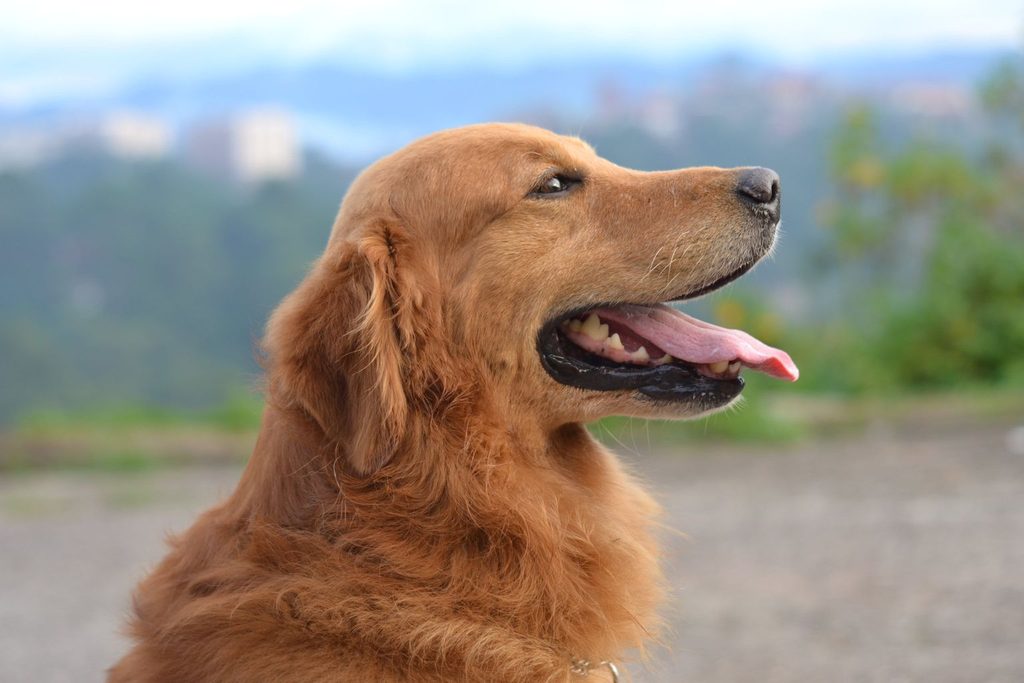
If there’s one breed that almost universally fits family life, it’s the Golden Retriever. Gentle, patient, enthusiastic, and forgiving — Goldens are built for children.
They tolerate ear-pulling toddlers with saintly calm. They play fetch until your arm gives out before they do. They’re easy to train, eager to please, and genuinely joyful in temperament.
Best for: Active families with children of any age Watch out for: They shed heavily and need significant daily exercise — a bored Golden gets destructive Lifespan: 10–12 years
2. Labrador Retriever — America’s Most Popular Dog (For Good Reason)
Labs have topped the most popular dog breed lists for decades, and families are the reason why. They’re adaptable, robust, friendly with strangers and other animals, and endlessly patient with kids.
Yellow, chocolate, or black — the coat color doesn’t change the personality. All Labs share the same core traits: exuberant, loyal, food-motivated (which makes training very easy), and deeply attached to their people.
Best for: Families of all sizes; great first dog for new owners Watch out for: High energy in puppyhood; they need a lot of exercise or that energy goes somewhere you won’t like Lifespan: 10–12 years
3. Beagle — Small-ish Dog, Big Family Energy
Beagles are curious, happy, and genuinely fun to have around. They’re compact enough for smaller homes but sturdy enough to keep up with active kids. Their gentle, non-aggressive nature makes them one of the most reliable breeds around children.
The tradeoff: Beagles are scent hounds. When something interesting gets up their nose, training goes out the window. A securely fenced yard is non-negotiable. And their howl is… impressive.
Best for: Families with active, playful kids; homes with yards Watch out for: Escape tendencies, selective hearing on leash, and that signature howl Lifespan: 12–15 years
4. Poodle (Standard) — The Underrated Family Superstar
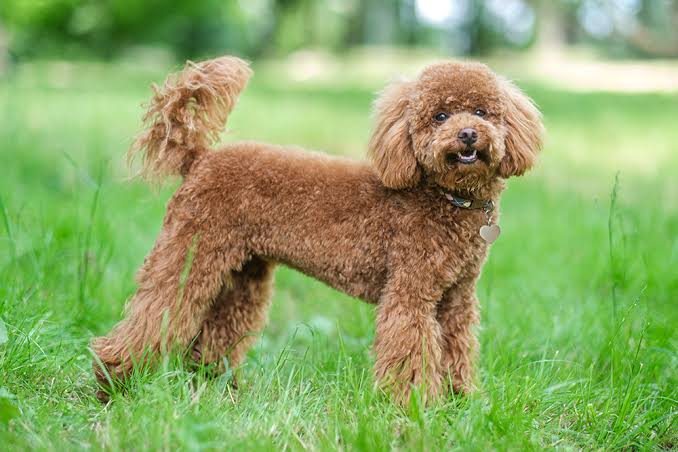
People see the elaborate show cuts and assume Poodles are fussy. They’re not. Standard Poodles are athletic, brilliant, deeply loyal, and genuinely silly with the people they love.
They’re also hypoallergenic — their low-shedding coat makes them the go-to choice for families where someone has allergies. Training-wise, Poodles are among the top three most intelligent dog breeds in the world. They pick up commands fast and love having a job to do.
Best for: Allergy-sensitive families; families who enjoy training and mental enrichment Watch out for: Their coats need regular professional grooming — it’s not optional Lifespan: 12–15 years
5. Boxer — The Clown of the Dog World
Boxers are endlessly entertaining. Bouncy, goofy, expressive, and absolutely devoted to their families — they’re sometimes described as “Peter Pan dogs” because they stay puppy-spirited well into adulthood.
They’re protective without being aggressive, playful without being fragile, and their tolerance for children’s chaos is excellent. They bond hard and want to be in the middle of everything the family does.
Best for: Active families who want a dog that’s both playful and protective Watch out for: Their enthusiasm in puppyhood can knock over small children — not from aggression, just pure physical joy Lifespan: 10–12 years
6. Cavalier King Charles Spaniel — The Gentle Companion
If your family leans quieter — fewer kids, more lap time, calmer energy — the Cavalier King Charles Spaniel is a perfect match. They’re small, sweet, and built entirely for companionship.
They’re gentle enough for very young children and don’t require the intense exercise that larger breeds do. What they do require is company — Cavaliers don’t like being alone for long periods.
Best for: Smaller families, apartment dwellers, families with gentle or younger children Watch out for: Health issues are common in the breed — heart disease, ear problems. Buy from a reputable breeder who screens for these. Lifespan: 9–14 years
7. Irish Setter — The Beautiful, Energetic Redhead
Irish Setters are stunning dogs with a playful, outgoing personality that fits active families perfectly. They love children, they love to run, and they bring a joyful chaotic energy to every home they enter.
They’re not a dog for the couch. An Irish Setter without adequate exercise becomes a tornado. But a properly exercised Irish Setter is one of the most affectionate and enjoyable family companions you can find.
Best for: Outdoorsy, active families with space; great for kids who want a running partner Watch out for: High exercise demands — 1–2 hours daily at minimum Lifespan: 12–15 years
8. Bichon Frise — Small, Fluffy, and Surprisingly Sturdy
Bichon Frises look like stuffed animals that came to life — white, fluffy, perpetually cheerful. And they’re one of the best small dogs for families with children.
Unlike many small breeds that snap when handled roughly, Bichons are remarkably tolerant. They’re also low-shedding, which is a genuine bonus for indoor families. They adapt easily to apartment living as long as they get daily walks.
Best for: Apartment families, families with gentle children, allergy-conscious households Watch out for: Separation anxiety — they hate being left alone for long periods Lifespan: 14–15 years
9. Border Collie — For Families Who Mean Business
Border Collies are, by most measures, the most intelligent domestic dog breed on earth. They are also one of the highest-energy breeds in existence. This combination is extraordinary if your family can meet it — and genuinely difficult if you can’t.
A Border Collie in an active family with kids who run, play, and engage with them daily is a dream dog. A Border Collie in a low-activity home with minimal stimulation becomes a problem dog very quickly.
Best for: Very active families, families with older children who can engage them, families interested in dog sports or training Watch out for: This is not a beginner’s dog. If you’re not prepared to invest seriously in exercise and mental stimulation, choose a different breed. Lifespan: 12–15 years
10. Pug — The Low-Maintenance Lovebug
Pugs exist entirely to be with people. They have almost no prey drive, minimal exercise needs, enormous personalities, and a stubbornness that is both frustrating and deeply endearing.
For families that want a dog but can’t commit to serious exercise routines, Pugs fit surprisingly well. They’re content with moderate walks and long stretches of couch time. Kids love their expressive, wrinkly faces.
Best for: Families in apartments or smaller homes; less active households Watch out for: Pugs are brachycephalic — their flat faces cause breathing issues in heat. They can’t exercise in hot weather. Health costs tend to be higher than average. Lifespan: 12–15 years
11. Bernese Mountain Dog — The Gentle Giant
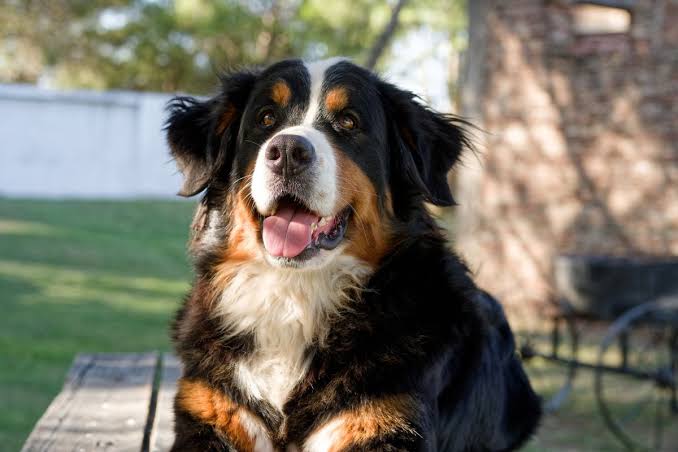
Bernese Mountain Dogs are massive, calm, and extraordinarily gentle. Around children they are almost absurdly patient — tolerant of climbing, hugging, and general toddler chaos in a way that few breeds match.
They’re not high-energy despite their size. A Berner is happiest with moderate daily exercise and lots of family time. Their calm presence makes them excellent family dogs even for households with very young children.
Best for: Families with young children who want a large, calm dog Watch out for: They shed heavily twice a year and their lifespan is unfortunately short — 7–10 years. And they don’t handle heat well. Lifespan: 7–10 years
12. Cocker Spaniel — Sweet, Adaptable, and Affectionate
Cocker Spaniels are genuinely cheerful dogs. They’re moderate in everything — energy, size, grooming needs — which makes them unusually adaptable to different family types.
They bond closely with their families and are patient and playful with children. Their size makes them manageable for smaller homes while still being sturdy enough to play with kids.
Best for: A wide range of family types; a good “middle ground” family dog Watch out for: Their ears need regular cleaning to prevent infections — it’s one of the breed’s most common health issues Lifespan: 12–15 years
13. Bulldog — The Lazy but Lovable One
If your family’s idea of a great Saturday is not running a 10K, Bulldogs were made for you. They’re calm, low-energy, deeply affectionate, and spectacularly tolerant of children.
Bulldogs are loyal and protective without being aggressive. They’re happy in apartments. They don’t need much space. They need love, regular short walks, and someone to wipe their face wrinkles.
Best for: Relaxed families, apartment dwellers, families who want a chill companion Watch out for: Significant health issues — breathing problems, skin fold infections, joint issues. Higher veterinary costs than average. Lifespan: 8–10 years
14. Vizsla — The Velcro Dog
Vizslas are golden-coated, athletic, and so devoted to their families they’ve earned the nickname “Velcro dog.” They follow their people from room to room, need to be part of everything, and are genuinely unhappy when separated.
For the right active family, they are spectacular. They’re gentle with children, easy to train, and low-shedding. But they need significant daily exercise — an unexercised Vizsla is a restless, anxious, destructive one.
Best for: Very active families who want a dog that’s deeply bonded and always present Watch out for: High exercise demands, prone to separation anxiety if left alone frequently Lifespan: 12–14 years
15. Newfoundland — The Nanny Dog
Newfoundlands are so famously gentle with children they’ve historically been called “nanny dogs.” Despite weighing up to 150 pounds, they move with remarkable care around small people.
They’re calm, patient, and deeply loyal — the kind of dog that will park itself next to a sleeping child and simply watch over them. They’re also excellent swimmers and love outdoor activity, making them great companions for water-loving families.
Best for: Families with enough space for a giant dog; families who love the outdoors Watch out for: Drool — an extraordinary amount of it. Also heavy shedding, and they don’t do well in heat. Lifespan: 9–10 years
How to Choose the Right Family Dog — 5 Key Questions
Before falling in love with a breed’s looks, answer these honestly:
1. How active is your family? High-energy breeds like Border Collies, Irish Setters, and Vizslas need 1–2+ hours of real exercise daily. If you’re a walking-to-the-mailbox kind of household, a Bulldog or Cavalier fits better.
2. How old are your kids? Very young children need dogs with high tolerance for rough handling — Goldens, Labradors, Bernese Mountain Dogs, and Bulldogs are top picks. Older children can handle more energetic, sensitive breeds.
3. How much space do you have? Large, high-energy breeds need room. If you’re in an apartment, choose accordingly — Pugs, Bichons, Bulldogs, and Cavaliers all do well in smaller spaces.
4. Does anyone have allergies? Low-shedding breeds — Poodles, Bichons, Vizslas, Schnauzers — are your options. No dog is truly “hypoallergenic,” but these produce far less dander.
5. How much time can you give? Every dog needs time. But high-maintenance breeds — in grooming, exercise, or training — need a genuinely committed owner. Be honest about your schedule before choosing.
Frequently Asked Questions
What is the #1 family dog? Golden Retrievers and Labrador Retrievers consistently rank as the top family dogs based on temperament, trainability, and child-friendliness. Both are excellent choices for most family types.
What is the calmest dog breed for families? Bulldogs, Basset Hounds, and Bernese Mountain Dogs are among the calmest family breeds. Cavalier King Charles Spaniels are also notably gentle and calm.
What is the best dog for a family with a toddler? Golden Retrievers, Labradors, Bernese Mountain Dogs, and Bulldogs are especially well-suited for families with toddlers due to their high tolerance and patient temperaments.
Are big dogs or small dogs better for families? Both can work well — it depends on your space and lifestyle. Large breeds like Goldens and Labs tend to be highly tolerant and playful. Small breeds like Bichons and Cavaliers adapt well to smaller spaces. Avoid very small, fragile breeds with rough-and-tumble toddlers.
What dog breed is best for a first-time family owner? Labrador Retrievers, Golden Retrievers, and Poodles are considered the most forgiving and easy-to-train breeds for first-time owners.
What’s the best family dog that doesn’t shed? Standard Poodles and Bichon Frises are the best low-shedding family dog options. Both are excellent with children and have coats that don’t shed significantly.
Final Thoughts
The best family dog isn’t the most popular one or the best-looking one — it’s the one that fits your specific life. A Border Collie with a family of runners is a dream. That same dog with a sedentary family is a disaster.
Take the time to match a breed to your honest reality — your activity level, your home size, your kids’ ages, your tolerance for grooming and vet bills. Get that match right, and you’ll have a companion your whole family loves for the next 10 to 15 years.
That’s worth taking seriously.