
Your cat skipped breakfast. Then dinner. Now it’s the next morning and they’ve walked past their bowl twice without touching it, and you’re doing that thing where you crouch on the kitchen floor trying to figure out if something is seriously wrong.
Take a breath. Sometimes cats just have off days. But sometimes a cat that stops eating is telling you something important — and knowing the difference matters.
This guide walks you through every reason a cat might stop eating, how to tell what’s going on, what you can do at home, and when you need to call the vet.
How Serious Is It If My Cat Isn’t Eating?
Here’s the honest answer: cats cannot go without food for long without real health consequences.
Unlike dogs, cats are metabolically vulnerable to fasting. When a cat’s body doesn’t get enough calories, it starts breaking down fat reserves for energy — and the liver can get overwhelmed processing that fat. This leads to a condition called hepatic lipidosis (fatty liver disease), which can become life-threatening surprisingly quickly — sometimes within just 2–3 days in a cat that stops eating entirely.
This doesn’t mean every missed meal is an emergency. A cat that eats a little less than usual for a day is probably fine. A cat that hasn’t eaten anything in 24–48 hours needs attention. A cat that hasn’t eaten in more than 48 hours needs a vet visit.
Why Is My Cat Not Eating? — The Most Common Reasons
Stress or Environmental Change
Cats are creatures of extreme routine. Any disruption to their environment can trigger a temporary food strike:
- Moving to a new home
- A new person or pet in the household
- Rearranged furniture
- A change in the type or brand of food
- A dirty or relocated litter box (yes, really — cats are sensitive to this)
- Loud noise or construction nearby
- A family member leaving or a schedule change
Stress-related food refusal is usually temporary and resolves within 1–3 days once the cat adjusts. If it lasts longer, it’s worth investigating further.
Illness
Loss of appetite is one of the most reliable early signs that something is physically wrong. Virtually every illness in cats — from minor infections to serious disease — can cause reduced or absent appetite.
Common illnesses associated with not eating include:
- Upper respiratory infections (cat flu)
- Kidney disease
- Hyperthyroidism
- Diabetes
- Dental disease or tooth pain
- Pancreatitis
- Gastrointestinal issues
- Cancer
If a cat stops eating without an obvious environmental reason, illness should be on your radar — especially if it lasts more than 24 hours.
Dental Pain
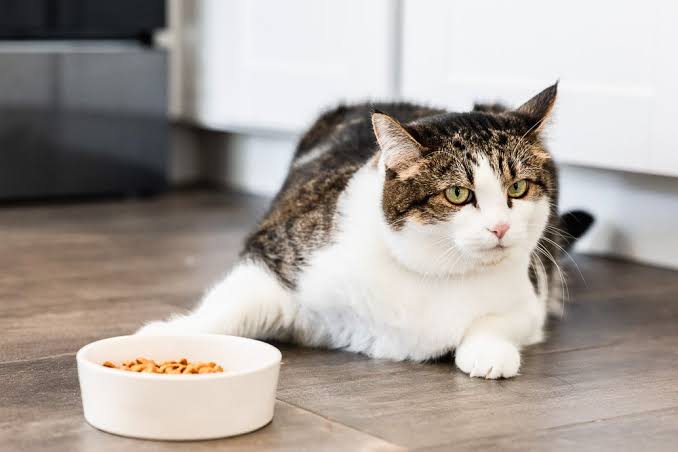
Tooth pain is chronically underdiagnosed in cats because they hide it so well. A cat with a painful tooth or gum infection may still approach their bowl — they’re hungry — but then walk away without eating.
Clues that dental pain might be the cause:
- Dropping food while eating
- Pawing at the mouth
- Eating on one side only
- Drooling more than usual
- Bad breath
- Reluctance to chew hard food
Studies suggest over 70% of cats over 3 years old have some degree of dental disease. If your cat is an adult and hasn’t had a dental checkup recently, it’s worth factoring in.
Food Issues
Sometimes the problem isn’t the cat — it’s the food.
- Spoiled or stale food — Cats have a vastly more sensitive sense of smell than humans. Food that smells fine to you may be detectably off to them.
- Changed formula — Pet food companies occasionally change their recipes without announcing it. If the food looks the same but tastes different, your cat will notice.
- Wrong temperature — Cats often refuse cold food straight from the refrigerator. Wet food served at room temperature (or gently warmed) is much more appealing.
- Food boredom — Some cats, particularly those fed the same thing for years, develop a sudden aversion to it.
New Medication or Vaccination
Cats often experience a temporary appetite dip after vaccinations or when starting a new medication. This is normal and usually resolves within 24–48 hours.
If a cat stops eating after starting a new prescription medication, talk to your vet — the medication itself may be causing nausea.
Motion Sickness or Travel
Car travel causes nausea in many cats. A cat that’s been to the vet, traveled somewhere, or even had a stressful car trip may refuse food for several hours afterward. This is normal and resolves quickly.
Age-Related Changes
Senior cats (age 11+) may naturally eat less as their metabolism slows and their senses of smell and taste diminish. However, significant appetite loss in a senior cat is always worth a vet visit — it can signal kidney disease, hyperthyroidism, dental disease, or cognitive changes that are very treatable when caught early.
How Long Can a Cat Go Without Eating?
| Duration | Situation | Action |
|---|---|---|
| Skipped 1 meal | Common, usually not concerning | Monitor, offer fresh food |
| 12–24 hours | Could be stress, pickiness, or illness starting | Investigate the cause, try appetite stimulants |
| 24–48 hours | More concerning — vet call recommended | Contact your vet for guidance |
| 48+ hours | Medical attention needed | See a vet — do not wait |
| 72+ hours | Serious risk of hepatic lipidosis | Emergency vet visit |
These timelines are for adult cats in otherwise normal health. Kittens, senior cats, and cats with existing health conditions need faster attention — 12–24 hours without eating in a kitten warrants a vet call.
What to Try at Home (When It’s Safe to Wait and See)
If your cat has been off food for less than 24 hours and seems otherwise normal — no lethargy, vomiting, diarrhea, or obvious distress — here are things you can try:
Warm the food Gently warm wet food to just above room temperature. The warmth releases the smell, making it far more appealing. Never microwave in the can — scoop into a bowl and microwave briefly, then stir and check the temperature before serving.
Try a different texture If your cat usually eats dry food, try wet. If they eat pate, try shredded or chunky texture. Sometimes a texture change is all it takes.
Offer something strongly aromatic Tuna water (from canned tuna in water, not oil), low-sodium chicken broth, or a tiny bit of plain cooked chicken can jump-start interest in food. Use these as toppers on regular food to get them eating again.
Check the bowl Some cats refuse to eat from plastic bowls because of a sensitivity to the smell or because the shape causes their whiskers to touch the sides (called whisker fatigue). Try a flat ceramic or stainless steel plate.
Move the bowl If you recently moved the food bowl — or if it’s near the litter box — relocate it. Cats prefer to eat away from their elimination area.
Reduce stress in the environment If there’s been a recent change at home, give your cat a quiet, comfortable space to retreat to. A Feliway diffuser (synthetic feline pheromones) can help reduce stress-related appetite loss.
Hand feeding Some cats who are mildly off food will eat from your hand when they won’t eat from a bowl. The direct interaction seems to reassure them enough to eat.
Signs Your Cat Needs to See a Vet
Stop waiting and make an appointment if your cat:
- Has not eaten anything in 24–48 hours
- Is also vomiting, has diarrhea, or is lethargic
- Is hiding more than usual or acting unusually withdrawn
- Has lost noticeable weight
- Is drinking much more or much less water than usual
- Has yellow-tinted skin, gums, or eyes (jaundice — a sign of liver issues)
- Is drooling excessively
- Shows signs of pain — hunched posture, reluctance to move, vocalizing
- Is a kitten or senior cat (lower threshold for vet contact)
- Is a cat with a known existing health condition
When in doubt, call your vet. Even a quick phone call can help you determine whether you should wait and monitor or come in right away.
What the Vet Will Do
Your vet will likely start with a physical exam and ask about timing, recent changes, any other symptoms, and what food your cat normally eats.
Depending on what they find, they may recommend:
- Blood work — To check kidney function, liver values, blood sugar, thyroid levels, and other markers
- Urinalysis — To assess kidney health and detect infections
- X-rays or ultrasound — If they suspect a physical blockage or internal issue
- Dental exam — Especially if pain or infection is suspected
Treatment depends entirely on the underlying cause. The good news: most of the common causes of appetite loss in cats are treatable — especially when caught early.
Frequently Asked Questions
How long is it OK for a cat to not eat? Less than 24 hours is usually not an emergency in an otherwise healthy adult cat. If your cat hasn’t eaten in 24–48 hours, contact your vet. Beyond 48 hours without food is a medical situation that needs attention.
What do I do if my cat won’t eat but acts normal? Try warming the food, switching textures, or offering something aromatic like tuna water. If they still refuse for more than 24 hours despite acting normal, call your vet — some illnesses don’t show obvious symptoms early on.
Can stress make a cat stop eating? Yes — stress is one of the most common causes of appetite loss in cats. Any change to their environment, routine, or household members can cause a temporary food strike.
Is it normal for cats to skip meals sometimes? Occasionally skipping a meal isn’t alarming, especially in cats that are free-fed or slightly picky. What’s not normal is a cat that consistently refuses food or goes 24+ hours without eating anything.
Why is my cat not eating but drinking water? A cat that drinks water but won’t eat may be nauseous, have dental pain, or be in the early stages of kidney disease or diabetes. Drinking a lot of water while not eating is worth a vet call within 24 hours.
Should I try a different food if my cat won’t eat? Yes — especially if the food was recently changed or is coming from a newly opened bag or can. Offer something different and see if appetite returns. If the cat eagerly eats something else, the original food may be the issue.
Can cats starve themselves? Not intentionally — but they can go off food long enough that it becomes dangerous. Unlike dogs, cats are vulnerable to hepatic lipidosis (fatty liver disease) when they don’t eat for extended periods. This is why a cat not eating is taken more seriously than a dog not eating.
Final Thoughts
A cat that stops eating is trying to tell you something. Sometimes it’s small — a stressful day, a food they’re suddenly bored of, a bowl that’s not quite right. Sometimes it’s bigger.
The key is knowing your cat’s normal. A cat you’ve had for five years — you know their appetite, their energy, their habits. The moment something shifts, you notice. Trust that instinct.
When the cause is obvious and minor, most cats bounce back within a day with a little patience and the right approach. When it’s not obvious — when you’re not sure, when it’s lasted more than a day, when something just feels off — the vet is always the right call.
Your cat can’t tell you what’s wrong. But they’re showing you, in the only way they can.