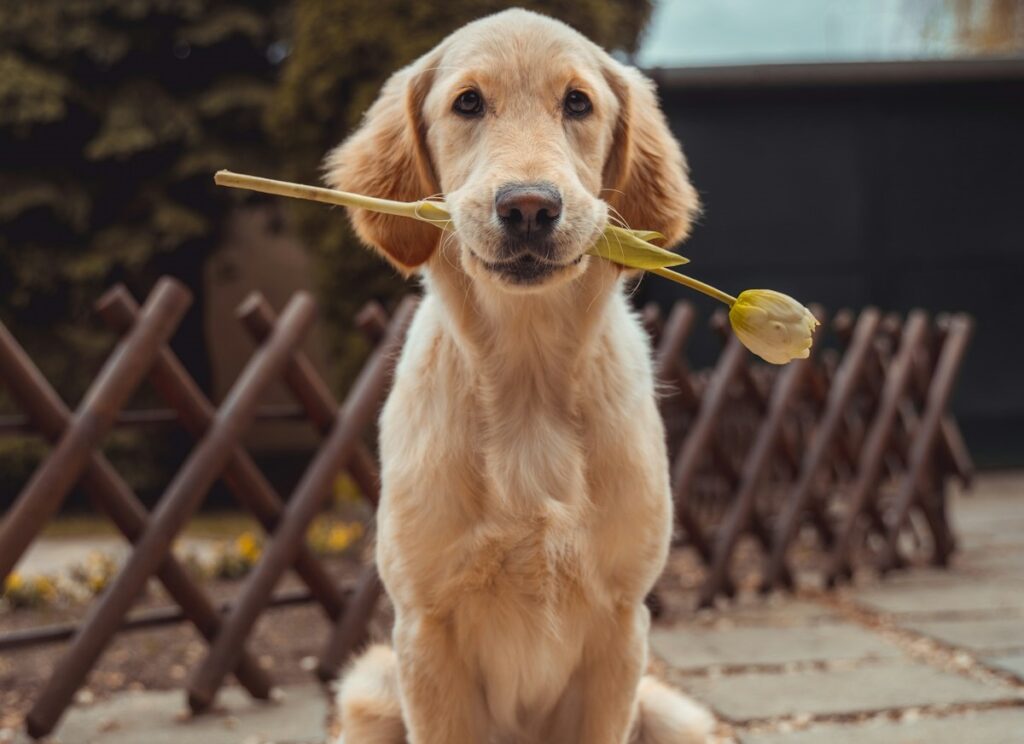

You just brought home the most adorable creature on the planet.
And within 48 hours, they’ve chewed your shoes, peed on the carpet three times, and figured out how to open the trash can.
Sound familiar?
Here’s the truth — every well-behaved dog was once a chaotic puppy. The difference between a dog that listens and one that runs the house comes down to one thing: how early and how consistently you train them.
This guide gives you everything you need to train your puppy the right way — from day one, using science-backed methods that actually work.
Let’s get started.
Table of Contents
- When Should You Start Training a Puppy?
- The Golden Rules of Puppy Training
- 5 Basic Commands Every Puppy Must Learn
- How to Potty Train a Puppy Fast
- Crate Training — Step by Step
- Puppy Socialization — Why It Matters
- 8 Common Training Mistakes to Avoid
- Puppy Training Schedule by Age
- FAQs About How to Train a Puppy
When Should You Start Training a Puppy?
Right now. Day one. The moment they walk through your door.
One of the biggest myths in dog ownership is that you need to wait until a puppy is 6 months old to start training. That belief costs people months of progress — and creates bad habits that are much harder to break later.
Puppies start learning from the second they enter your home — usually around 8 weeks old. Their brains are like sponges at this stage. Every interaction teaches them something. The question is whether you’re teaching them what you want — or accidentally teaching them bad habits.
Start simple. Start small. Start today.
The Golden Rules of Puppy Training
Before you teach a single command, understand these non-negotiable principles. They apply to every session, every day.
🐾 Rule 1: Keep Sessions Short
Puppies have the attention span of a goldfish — seriously. Five to ten minutes per session is the absolute maximum. Three to five minutes is even better.
Short, frequent sessions beat long, exhausting ones every single time. Aim for 3–5 mini sessions spread throughout the day.
🐾 Rule 2: Always Use Positive Reinforcement
Punishment doesn’t work with puppies. It creates fear, breaks trust, and teaches your puppy nothing about what you actually want them to do.
Reward what you like. Ignore or redirect what you don’t. It’s that simple — and the science behind it is rock solid.
Best rewards:
- Tiny, pea-sized treats (boiled chicken, cheese, training treats)
- Verbal praise in a happy, excited voice
- A quick burst of their favorite game
🐾 Rule 3: Timing Is Everything
Puppies live completely in the present. If they do something right and you reward them 30 seconds later — it means nothing to them.
The reward must come within 2 seconds of the correct behavior. That’s how they make the connection.
🐾 Rule 4: Consistency Across the Whole Family
This one is huge — and most families get it wrong.
Everyone in the house must use the same commands, the same rules, and the same boundaries. If one person lets the puppy on the sofa and another doesn’t, the puppy learns nothing except that the rules are random.
Write the rules down. Put them on the fridge. Make sure every person follows them.
🐾 Rule 5: End Every Session on a Win
Always finish training with something your puppy already knows how to do — so they end with a success and a reward. This keeps them excited and willing to train again next time.
5 Basic Commands Every Puppy Must Learn
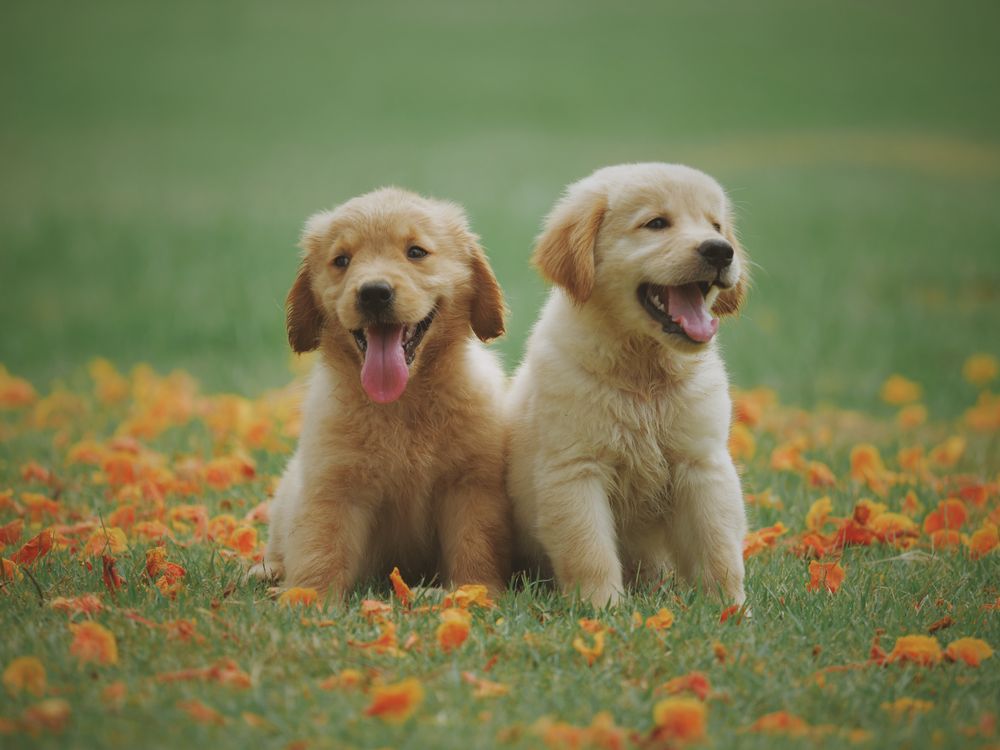
Start with these five commands. Master them in order. Build everything else on top of this foundation.
🟢 Command 1: SIT
The easiest command — teach this first.
How to do it:
- Hold a small treat right at your puppy’s nose
- Slowly move your hand upward and back over their head
- As their head follows the treat up, their bottom will naturally lower to the ground
- The moment their rear touches the floor — say “Sit” clearly, give the treat, and praise them
- Repeat 5–6 times per session
Pro tip: Say the command word only once, right as they perform the action — not before. This teaches them to connect the word to the movement.
🟢 Command 2: DOWN (Lie Down)
Teaches impulse control and calmness.
How to do it:
- Start with your puppy in a Sit position
- Hold a treat at their nose, then slowly lower your hand straight down to the floor between their paws
- Slide the treat forward along the floor — away from their body
- Their elbows should touch the ground as they follow it
- The moment they’re fully down — say “Down”, give the treat, and praise
Common mistake: Pushing their back end down forcibly. Never do this — it creates resistance and fear. Let the treat do the work.
🟢 Command 3: STAY
One of the most important — and most underrated — skills you can teach.
How to do it:
- Ask your puppy to Sit or Down
- Show them an open palm and say “Stay” in a calm, clear voice
- Take one single step back
- If they hold position — step back to them, give the treat, and say “Yes!” or “Free!”
- Gradually increase distance and duration over many sessions
Key rule: Always return to your puppy to reward Stay — don’t call them to you. This keeps the meaning of “Stay” clear.
🟢 Command 4: COME (Recall)
This command could literally save your dog’s life one day.
How to do it:
- Get down to their level — crouch or kneel
- Say “Come!” in your most excited, happy voice
- Run a few steps backward — puppies instinctively chase movement
- When they reach you, reward them massively — treats, praise, play, everything
- Make coming to you the best thing that ever happens to them
Critical rule: Never call your puppy to you for something unpleasant — like a bath, nail trimming, or being told off. If “Come” ever leads to something bad, they will stop responding to it.
🟢 Command 5: LEAVE IT
Protects your puppy from eating dangerous things — and protects your belongings.
How to do it:
- Hold a treat in a closed fist and present it to your puppy
- They will sniff, lick, and paw at your hand — say “Leave it” and wait
- The moment they pull their nose away — even for a split second — open your other hand and give them a completely different, better treat
- They learn: ignoring the forbidden thing = getting something even better
Progress: Once they understand, place the treat on the floor and cover it with your foot. Say “Leave it.” When they back away, reward from your hand.
How to Potty Train a Puppy Fast
Potty training is the #1 struggle for new puppy owners. Here’s the method that works fastest:
The 4 Rules of Fast Potty Training:
Rule 1: Take them out constantly Puppies need to go outside after every single thing — after waking up, after eating, after playing, after a nap, every 30–60 minutes during the day. Set a timer if you need to.
Rule 2: Go to the same spot every time Pick one area outside and always take them there. The scent triggers the instinct to go in the same place.
Rule 3: Reward the moment they finish The second they finish eliminating outside — celebrate! High-pitched praise, treats, excitement. Make it the best moment of their day.
Rule 4: Never punish accidents If you find an accident after the fact — clean it up silently and move on. They have no idea why you’re upset. Punishment after the fact only creates anxiety and fear around you.
If you catch them mid-accident: Calmly say “Outside!” and immediately carry or guide them to their spot. Reward if they finish outside.
💡 Tip: Most puppies achieve reliable potty training between 4–6 months. Some take longer — consistency is the only shortcut.
Crate Training — Step by Step
A crate isn’t a punishment. Done right, it becomes your puppy’s safe, cozy den — a place they actually choose to go.
Why Crate Training Works:
- Puppies instinctively avoid soiling where they sleep — it speeds up potty training dramatically
- It gives your puppy a calm, safe space when the world gets overwhelming
- It prevents destructive behavior when you can’t supervise
How to Introduce the Crate:
Week 1 — Make it inviting: Leave the crate door open with a soft blanket and a few treats or toys inside. Let your puppy explore it completely on their own. Never push them inside.
Week 2 — Feed meals inside: Place their food bowl just inside the doorway. Each meal, push it a little further back. This builds a positive association between the crate and good things.
Week 3 — Close the door briefly: After they eat inside comfortably, close the door for 5–10 minutes. Stay nearby. Gradually increase the time.
Golden rule: Never let your puppy out when they’re crying or barking. Wait for even a 3-second pause, then open the door and calmly praise them. Letting them out when they cry teaches them that crying = freedom.
Puppy Socialization — Why It Matters
Socialization is not optional. It’s one of the most important things you do for your puppy’s entire life.
The critical socialization window is 3 to 16 weeks old. During this time, your puppy’s brain is wide open — everything they experience becomes “normal” to them. Miss this window, and fears become much harder to overcome later.
What to Socialize Your Puppy To:
People: Men, women, children, people with beards, hats, glasses, uniforms, wheelchairs, loud voices, quiet voices.
Sounds: Traffic, thunder, fireworks, vacuum cleaners, hair dryers, doorbells, crying babies.
Surfaces: Grass, gravel, tile, carpet, metal grates, wet ground, sand.
Experiences: Car rides, vet visits, grooming, having their paws, ears, and mouth handled.
Important: Keep every experience calm and positive. Don’t flood your puppy with too much at once. Gradual, controlled exposure with treats and praise is the goal — not forcing them through scary situations.
8 Common Puppy Training Mistakes to Avoid
Even the most well-meaning owners make these errors. Avoid them and you’ll be months ahead.
| ❌ Mistake | ✅ What to Do Instead |
|---|---|
| Waiting until 6 months to start | Begin training on day one at 8 weeks |
| Sessions longer than 10 minutes | Keep sessions 3–5 minutes, several times a day |
| Using punishment or shouting | Use positive reinforcement only |
| Being inconsistent with rules | Whole family uses same commands and rules |
| Giving too much freedom too soon | Use baby gates and supervised space |
| Rewarding bad behavior with attention | Turn your back and remove attention |
| Calling puppy to punish them | “Come” always leads to something good |
| Skipping socialization | Expose them to everything during weeks 8–16 |
Puppy Training Schedule by Age
| Age | Focus |
|---|---|
| 8–10 weeks | Name recognition, Sit, potty training, crate introduction |
| 10–12 weeks | Down, Come, socialization with people and sounds |
| 3–4 months | Stay, Leave It, leash manners, meeting other vaccinated dogs |
| 4–6 months | Solidifying all commands, increasing duration and distractions |
| 6+ months | Advanced commands, off-leash reliability, puppy classes |
Frequently Asked Questions About How to Train a Puppy
❓ How long does it take to train a puppy?
Basic commands like Sit and Down can be learned within days. Reliable obedience — where your puppy listens in any situation — typically takes 4 to 6 months of consistent daily practice.
❓ What is the easiest command to teach a puppy first?
Sit. It’s the most natural position for them to fall into and works perfectly as the foundation for every other command.
❓ Is it too late to train a puppy at 6 months?
Absolutely not. While the ideal window starts at 8 weeks, dogs learn at every age. Older puppies just need a little more patience and consistency.
❓ Should I use treats every time I train?
In the beginning — yes. As your puppy masters a command, you gradually reward every other time, then randomly. Random rewards actually make behaviors stronger in the long run. Eventually, praise and play replace treats for well-known commands.
❓ My puppy bites constantly. Is this normal?
Yes — it’s called mouthing or play biting and it’s completely normal for young puppies. When they bite too hard, stop play immediately, say “Ouch!” firmly, and turn away. They learn that biting ends the fun.
❓ Should I take my puppy to training classes?
Yes — highly recommended. Puppy kindergarten classes (usually starting around 8–10 weeks after their first vaccine) provide socialization AND expert guidance. The investment pays off for the next 10–15 years.
❓ What if my puppy refuses to listen?
Check these first: Is the environment too distracting? Are your treats exciting enough? Is your puppy overtired or overstimulated? Most “refusal” is actually a sign that you’ve moved too fast. Step back to an easier version of the skill and rebuild.